Introduction
If one word could encapsulate the experience of global trade in 2025, it would be “change.”
Fluctuating tariff policies, volatile exchange rates, rising and falling raw material costs, and shifting global demand structures have made international trade increasingly complex. In this dynamic environment, experience and routine alone are no longer sufficient to sustain growth.
Simultaneously, new tools—particularly AI-driven technologies—are transforming the landscape of foreign trade. From customer acquisition and communication to operations and decision-making, AI is reshaping how global trade teams operate and how organizations are structured.
This continuous wave of change is compelling companies to relearn, adapt, and rethink the true sources of growth and efficiency.
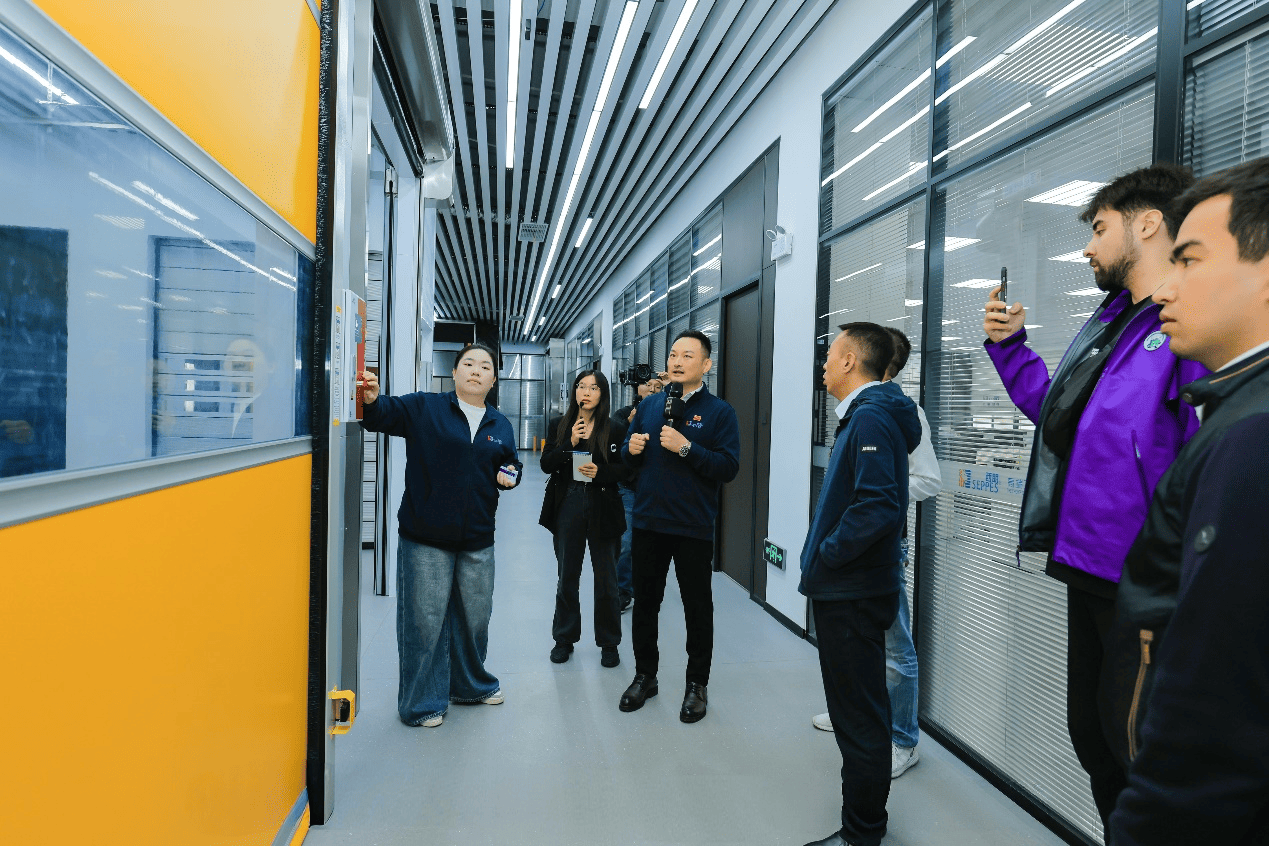
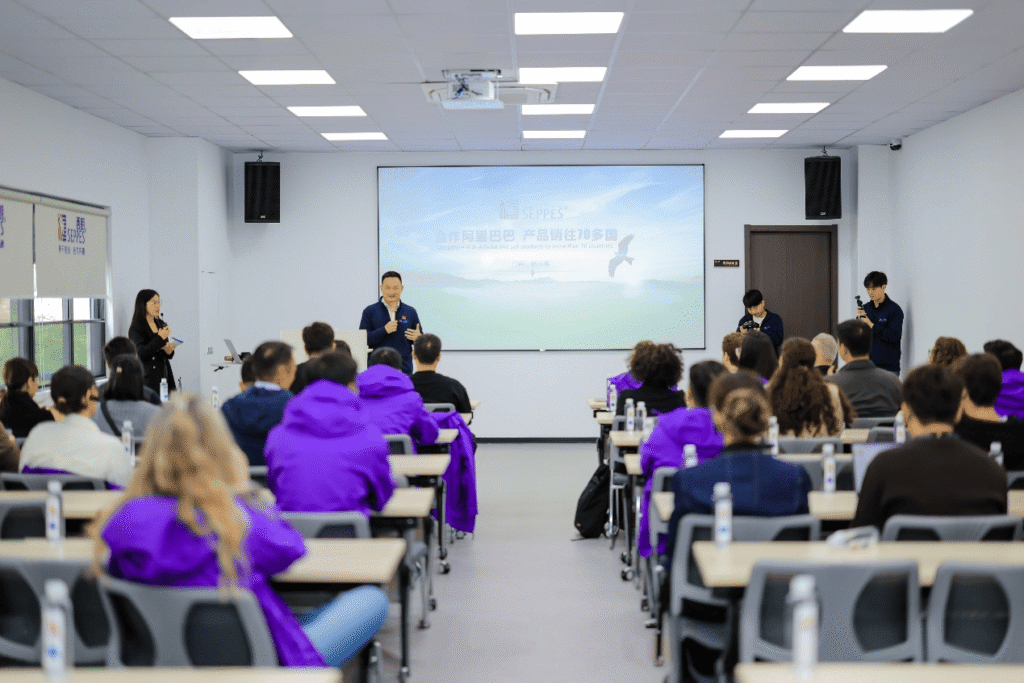
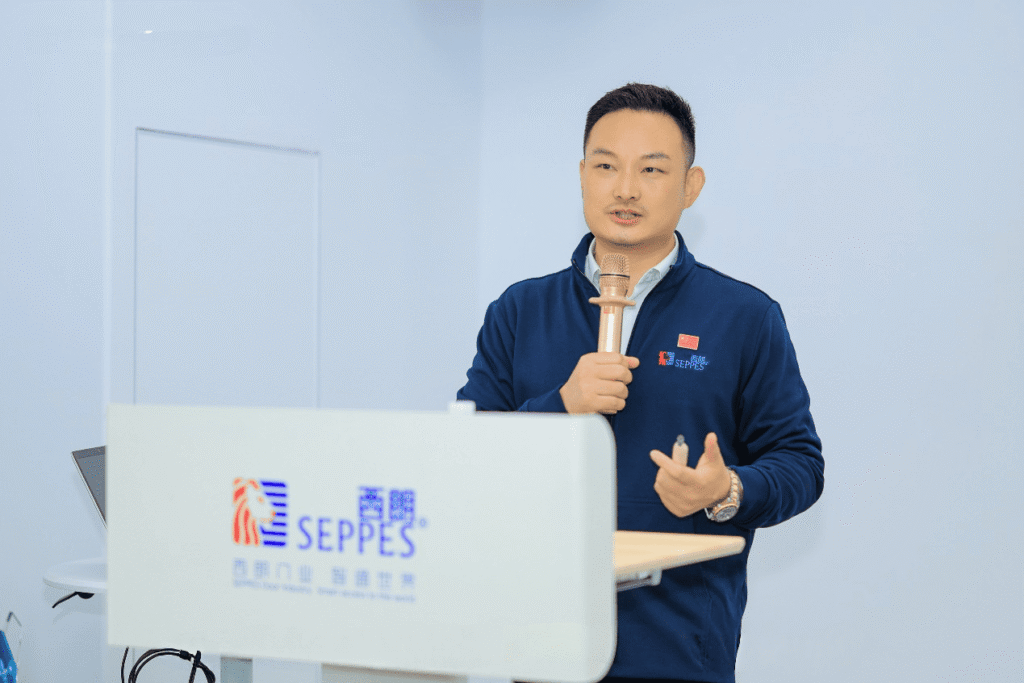
On December 22, the Alibaba International Digital Trade Awards took place in Hangzhou, bringing together industry leaders to discuss strategies for global expansion. Among the speakers was Yang Yuanjia, Chairman and General Manager of SEPPES, a Suzhou-based manufacturer of industrial doors. Over the past five years, Yang has demonstrated how a founder with no prior language skills, platform experience, or standardized trade processes can elevate Chinese intelligent manufacturing to the global stage.

1. Opportunity Grows Alongside Change
Suzhou, one of China’s most prominent manufacturing hubs, exemplifies the country’s industrial prowess. In 2024, the city’s high-tech industrial output reached RMB 2.57 trillion, with total imports and exports amounting to RMB 2.62 trillion. Its robust industrial ecosystem, mature supply chains, and openness to new technologies provide fertile ground for manufacturing enterprises to thrive.
SEPPES’ journey began here.
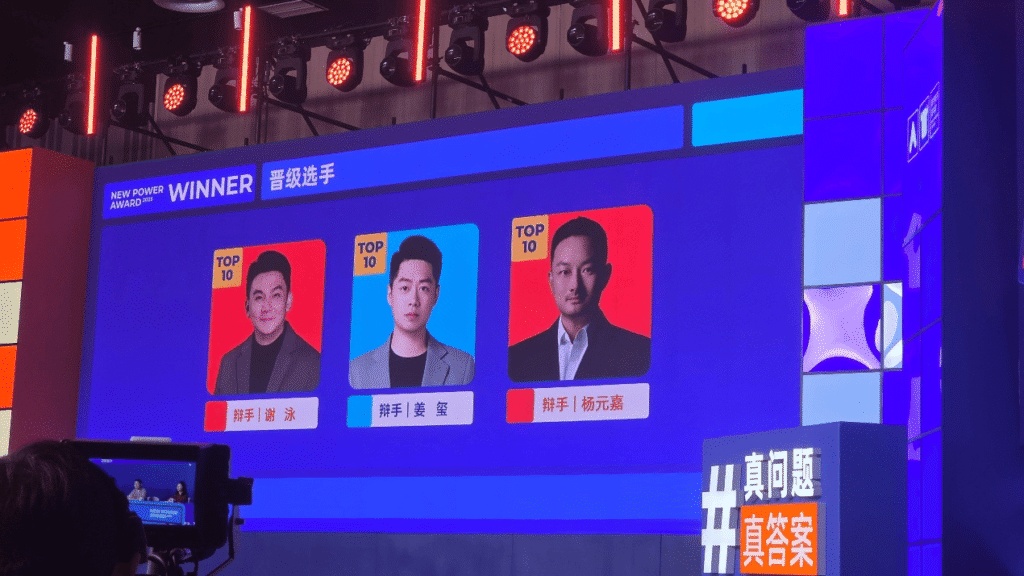
Before founding SEPPES, Yang Yuanjia served in the military in Beijing and later worked as a journalist. Years of interviewing entrepreneurs instilled in him a core belief: sustainable businesses must address real, long-term demand.
This belief led him to focus on industrial doors—an essential yet often overlooked component of manufacturing infrastructure. Whether for new factories or facility upgrades, industrial doors must prioritize safety, efficiency, and reliability. As smart manufacturing accelerates, factory layouts are evolving, with production lines becoming increasingly automated and unmanned. Industrial doors now play a critical role, serving as rapid isolation and safety systems within modern production environments.
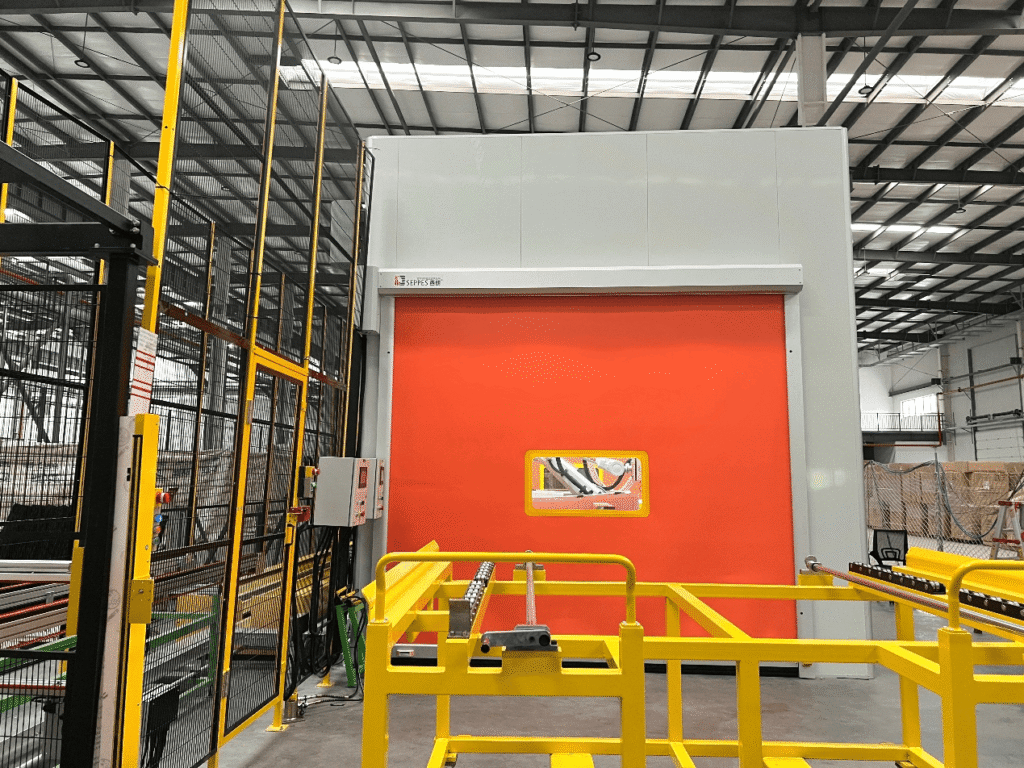
Recognizing this shift, Yang strategically positioned SEPPES to focus on intelligent industrial doors as a “must-have” product. Unlike conventional doors that take minutes to open and close, SEPPES’ intelligent doors operate within seconds, eliminating bottlenecks and enhancing production efficiency.
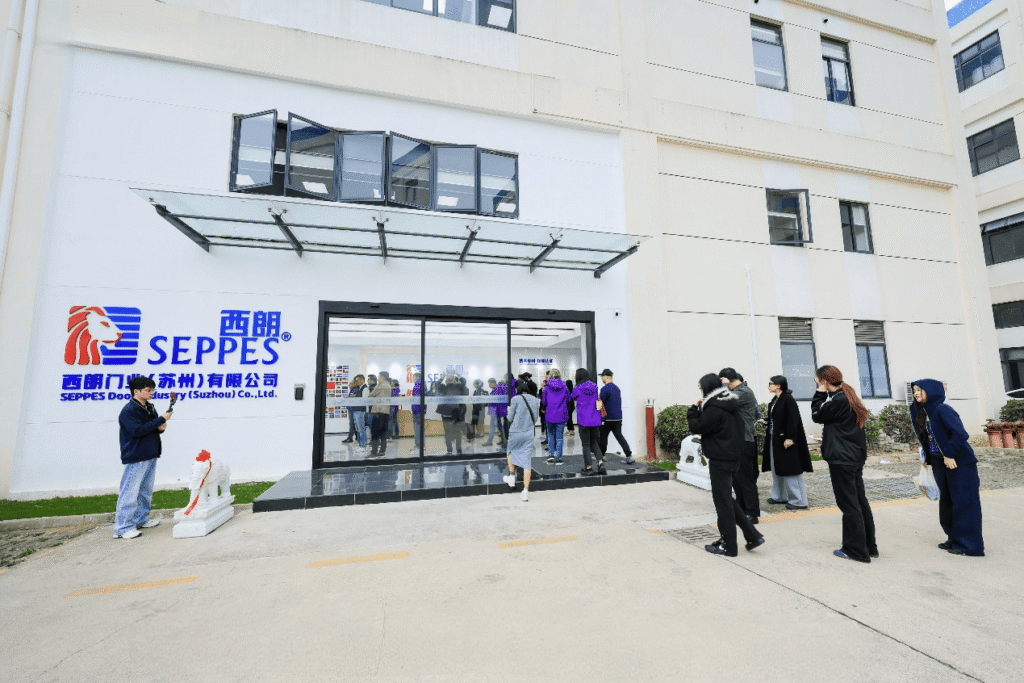
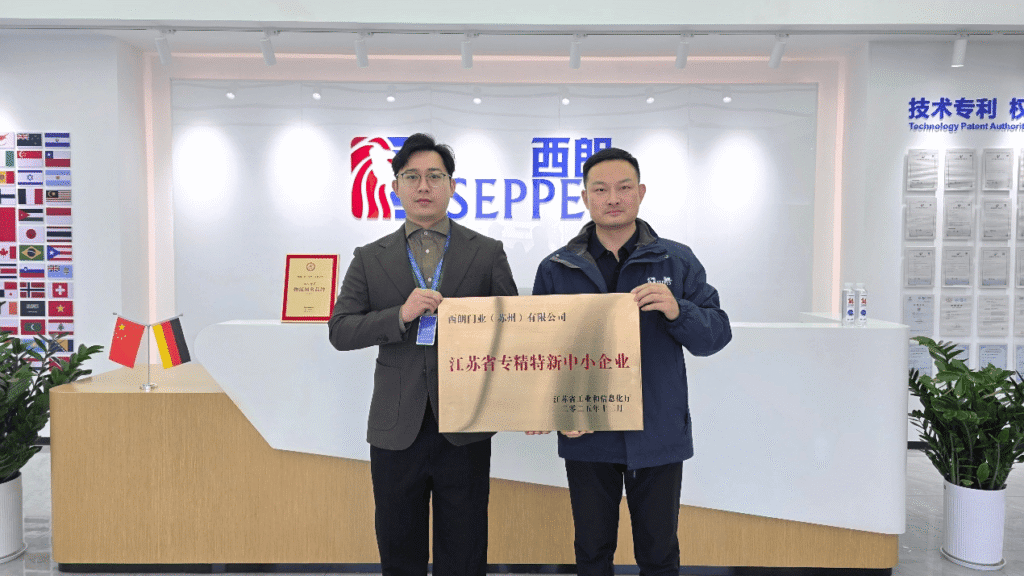
From its inception, SEPPES committed to the high-quality segment of the industrial door market, building its own brand and competing directly in international markets. Leveraging Suzhou’s manufacturing ecosystem, the company developed a comprehensive system encompassing design, R&D, manufacturing, and delivery. By integrating advanced technologies such as radar sensors, photoelectric systems, and magnetic induction, SEPPES quickly established itself as a “hidden champion” in the industry, securing over 50 patents.
Despite strong domestic growth, Yang initially avoided overseas markets, citing his lack of language skills, platform knowledge, and standardized trade processes. However, a turning point came in 2019 when the team noticed domestic distributors exporting SEPPES products overseas. This signaled clear demand in global markets, prompting Yang to embrace international trade through platforms like Alibaba.com.
2. The Evolution of a “Three-No” Founder
SEPPES’ foray into global markets coincided with the onset of the global pandemic. Traditional trade channels collapsed as exhibitions were canceled and in-person visits ceased. Under Alibaba International’s guidance, Yang recognized the permanent shift in global sourcing behavior from offline to online—a rare opportunity for growth.
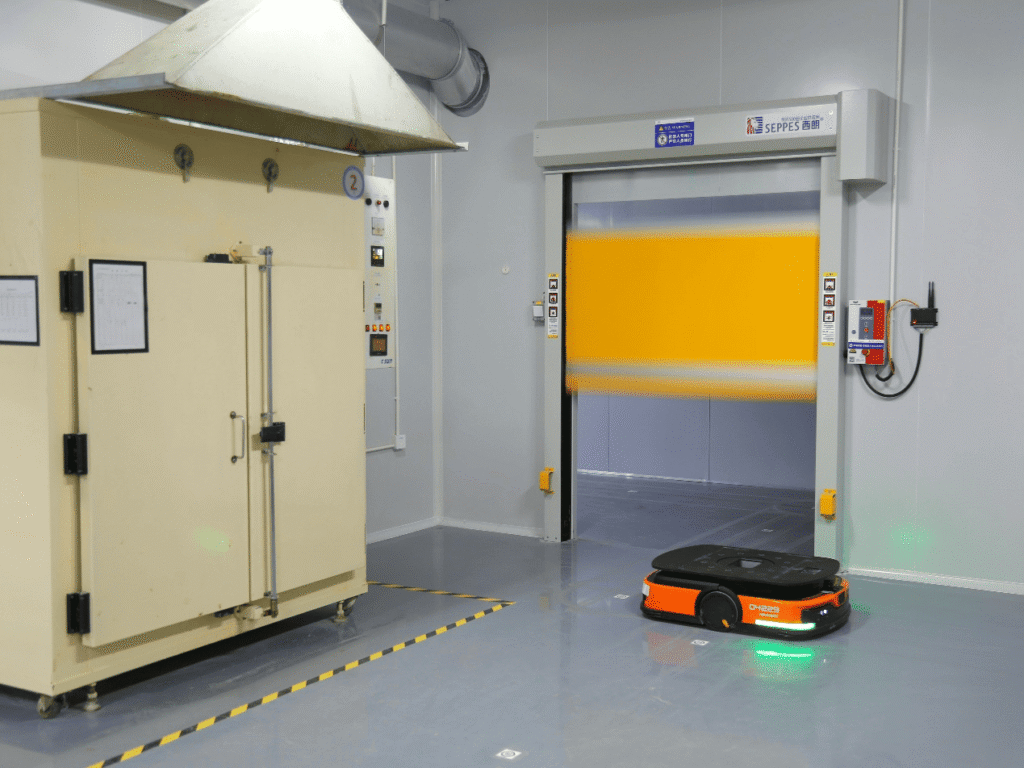
SEPPES’ products naturally lent themselves to cross-market expansion. Orders quickly spread across regions, driven by the universal demand for intelligent industrial doors in factories, production lines, and automated facilities. Alibaba International amplified this growth by providing hands-on support, helping SEPPES build operational capabilities in areas such as account management, platform rules, data analysis, and performance reviews.
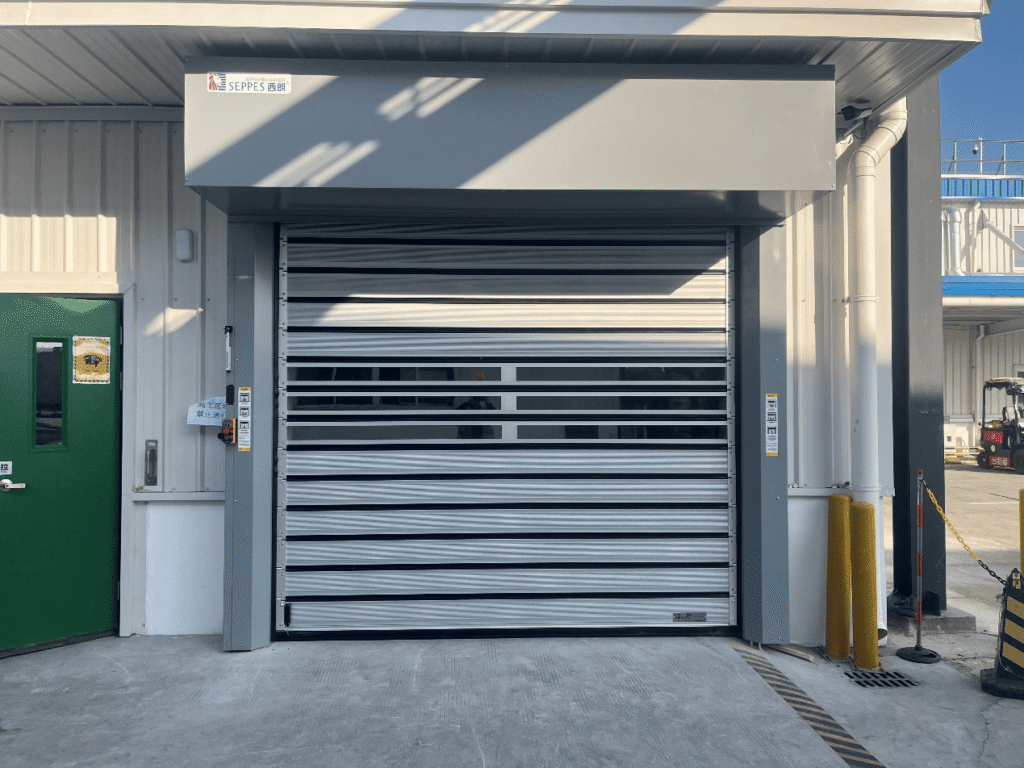
As SEPPES’ operations stabilized, its foreign trade team evolved, mastering skills in inquiry follow-up, customer qualification, and deal pacing. The company soon secured its first major overseas order—a trial purchase of three to five industrial doors for a leading seafood processing company in Southeast Asia. Through in-depth discussions and Alibaba’s Gold Supplier certification, SEPPES built trust with the client, leading to a second order worth over RMB 1 million. This client has since become a long-term partner.
Today, SEPPES operates in over 70 countries, diversifying risks and mitigating the impact of tariff changes. The company’s global presence, combined with Alibaba International’s AI tools, continues to drive its growth.
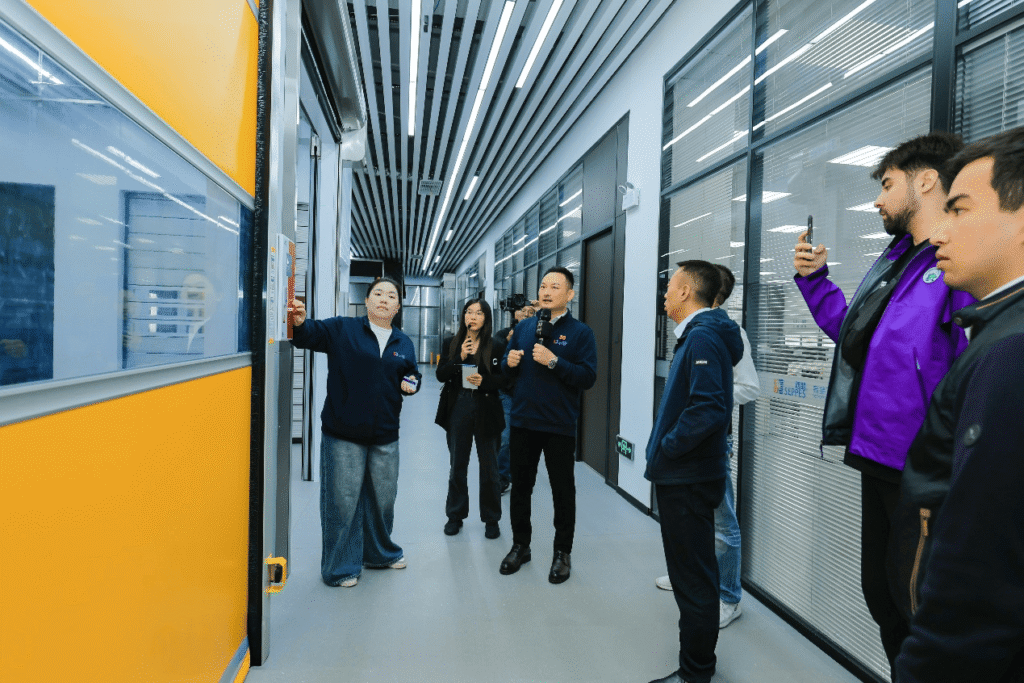
3. How AI Becomes a Growth Lever
As SEPPES expanded globally, new challenges emerged. Inquiries from diverse industries and regions required high levels of customization and complex communication. Time zone differences further complicated matters, with many high-quality inquiries arriving late at night.
This challenge is common in foreign trade, where professionals often sacrifice rest to maintain efficiency. However, such practices are unsustainable.
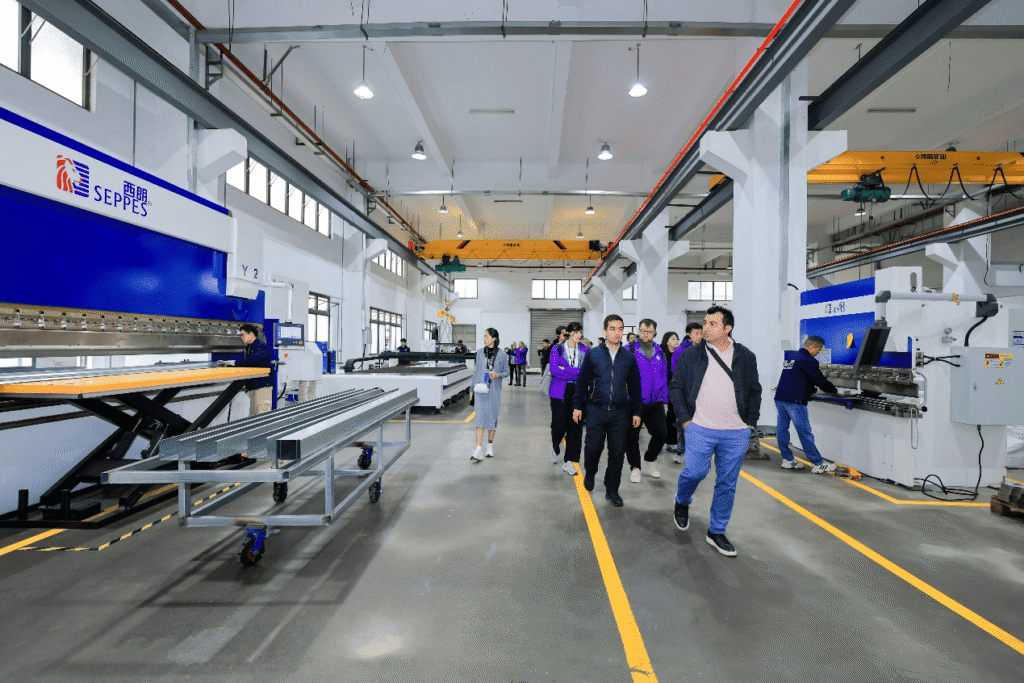
Alibaba International’s AI tools transformed this dynamic. The platform introduced four AI Agents specializing in inquiry handling, product listing, operations, and conversion. These tools seamlessly integrated response management, information collection, content generation, and data analysis into daily workflows.
Even experienced sales professionals, initially skeptical of AI, began to rely on it. In one instance, a senior sales manager faced a stalled order worth nearly RMB 1 million. Despite confirming all technical details and pricing, the customer hesitated. By analyzing the communication history, Alibaba’s AI system proposed alternative follow-up strategies. The sales manager adopted one suggestion, leading to the customer confirming the order two days later.
For Yang, this moment underscored AI’s value—not as a replacement for human expertise, but as a tool to enhance judgment and efficiency in high-stakes, long-cycle global communication.
Conclusion
SEPPES’ journey exemplifies the resilience and adaptability of Chinese manufacturing in the face of global uncertainty. The company’s success highlights the importance of long-term thinking, systematic capability building, and leveraging technology to navigate complex markets.
Global expansion is no longer just about entering new markets—it’s about understanding diverse customer needs, adapting to international standards, and continuously refining internal processes. As Chinese manufacturing evolves from “going abroad” to “standing firm,” competition is shifting from cost and speed to sustainable growth and systematic capability.

Platforms like Alibaba International play a pivotal role in this transformation, turning fragmented experiences into scalable capabilities and amplifying individual efforts into organizational efficiency. SEPPES stands as a testament to this new era of global manufacturing—where change is constant, and long-term thinking, combined with AI-driven tools, paves the way for steady and sustainable growth.










 ES_CO
ES_CO  EN
EN  ES
ES  ES_MX
ES_MX  ES_PE
ES_PE  ES_UY
ES_UY  ES_CL
ES_CL  ES_EC
ES_EC  ES_DO
ES_DO  ES_VE
ES_VE