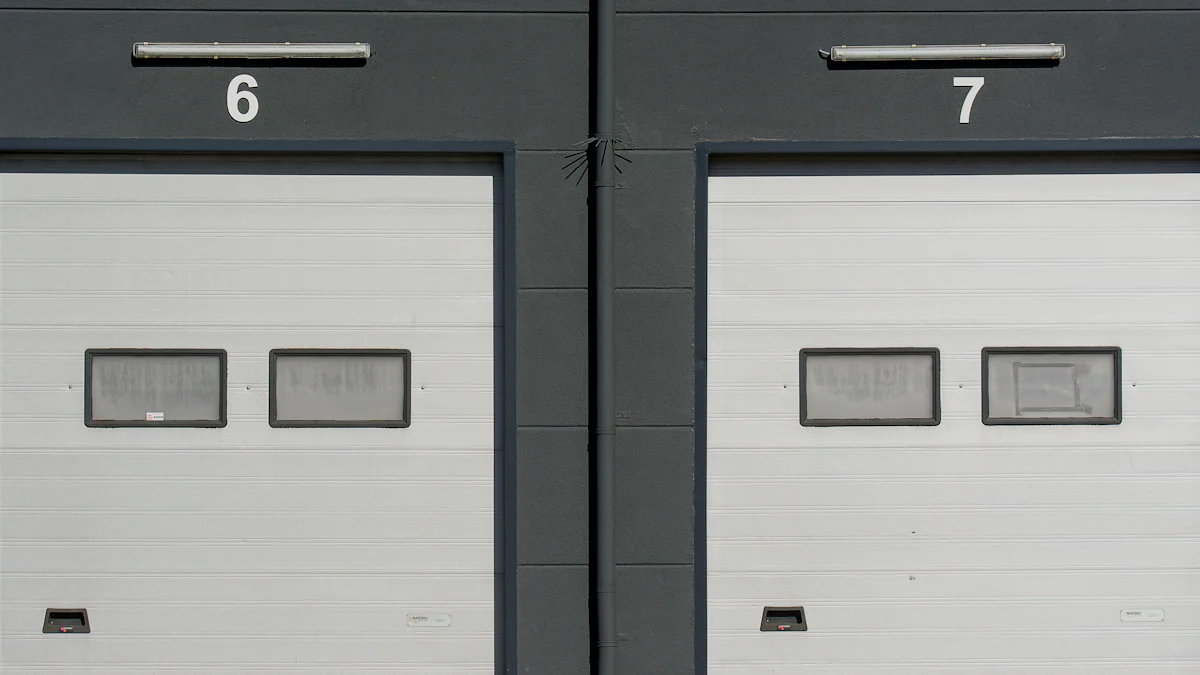

تلعب الأبواب المقطعية الصناعية دورًا محوريًا في وظائف وكفاءة المرافق الصناعية والتجارية الحديثة. تتميز هذه الأبواب بقدرتها على الفتح عموديًا والانزلاق على طول السقف، مما يوفر مجموعة متعددة من الفوائد التي تجعلها لا غنى عنها في مختلف الصناعات. من المستودعات والمصانع إلى مراكز الخدمات اللوجستية ومصانع الأدوية ومنشآت تجهيز الأغذية وحتى صالات العرض، يتجلى تنوع استخداماتها. يشير النطاق الواسع من التطبيقات إلى حاجة أساسية لحلول أبواب موثوقة وقابلة للتكيف في بيئات تشغيلية متنوعة.
ينبع اختيار الأبواب المقطعية الصناعية كخيار مفضل من عدة مزايا رئيسية. تعطي الشركات الأولوية للأمن لحماية أصولها ومبانيها، وتوفر هذه الأبواب حاجزًا قويًا ضد الوصول غير المصرح به. يُعد العزل عاملاً حاسمًا آخر، خاصة في البيئات الحساسة لدرجة الحرارة، وتوفر العديد من الأبواب المقطعية أداءً حراريًا ممتازًا، مما يؤدي إلى توفير الطاقة. علاوة على ذلك، تتطلب الطبيعة الصعبة للعمليات الصناعية حلولاً متينة وطويلة الأمد، ويقوم المصنعون عمومًا ببناء الأبواب المقطعية بمواد قوية مصممة لتحمل الاستخدام الكثيف. يؤكد التركيز المستمر على هذه الميزات من قبل المصنعين وخبراء الصناعة على أهميتها للشركات التي تسعى إلى حلول أبواب صناعية موثوقة وفعالة.
فهم التنوع: أنواع وميزات رئيسية للأبواب المقطعية الصناعية
يقدم السوق مجموعة متنوعة من الأبواب المقطعية الصناعية المصممة خصيصًا لتلبية الاحتياجات والتطبيقات المحددة. يمكن تصنيف هذه الأبواب بشكل عام بناءً على المواد المستخدمة في بنائها ووظائفها المحددة.
الأنواع القائمة على المواد:
تُعد الأبواب المقطعية الفولاذية خيارًا شائعًا نظرًا لقوتها الذاتية ومتانتها وفعاليتها من حيث التكلفة. تُستخدم بشكل متكرر في المستودعات والمصانع حيث تكون الأمن والمتانة أمرًا بالغ الأهمية. .
من ناحية أخرى، تفضل الشركات الأبواب المقطعية المصنوعة من الألومنيوم لخصائصها خفيفة الوزن، ومقاومتها للتآكل، وجاذبيتها الجمالية الحديثة. غالبًا ما تختار هذه الأبواب لصالات العرض ومحطات الخدمة ومرافق غسيل السيارات حيث تكون الجاذبية البصرية ومقاومة الرطوبة مهمة.
صُممت الأبواب المقطعية المزججة لتعظيم دخول الضوء الطبيعي وتعزيز الرؤية في المساحات التجارية مثل صالات العرض ومراكز التسوق. تتضمن بعض هذه الخيارات أيضًا عزلًا لموازنة نقل الضوء مع كفاءة الطاقة.
تُعد الأبواب المقطعية المعزولة ضرورية للبيئات التي يكون فيها التحكم في درجة الحرارة أمرًا بالغ الأهمية. تستخدم هذه الأبواب عادةً مواد عازلة مثل البولي يوريثان، المعروف بقيمة R العالية والأداء الحراري المتفوق، أو البوليسترين، وهو خيار أكثر شيوعًا وفعالية من حيث التكلفة. هذه الأبواب أساسية للمستودعات ومرافق التخزين البارد وأي تطبيق يكون فيه الحفاظ على درجة حرارة مستقرة أمرًا حيويًا لسلامة المنتج والحفاظ على الطاقة.
الأنواع القائمة على الوظيفة:
يصمم المهندسون الأبواب المقطعية عالية السرعة للفتح والإغلاق السريع، مما يتيح سرعات تصل إلى 2.5 متر في الثانية، أو 8 أقدام في الثانية، أو 24 بوصة في الثانية. هذه الأبواب مثالية للمناطق عالية الحركة، وعمليات الخدمات اللوجستية، والبيئات الخاضعة للتحكم في درجة الحرارة حيث يكون تقليل أوقات فتح الباب أمرًا بالغ الأهمية. غالبًا ما تتضمن ميزات أمان متقدمة مثل ستائر ضوئية.
يصمم المصممون الأبواب المقطعية المقاومة للحريق خصيصًا لتكون حاجزًا ضد الحريق والدخان؛ تلعب هذه الأبواب دورًا حاسمًا في السلامة والامتثال داخل تطبيقات معينة.
توفر الأبواب المقطعية ذات الدفع المباشر تشغيلًا سلسًا وموثوقًا، مما يجعلها مناسبة للبيئات ذات دورات الباب المتكررة.
يؤكد توفر هذه الأنواع المتنوعة على قدرة الأبواب المقطعية الصناعية على التكيف لتلبية المتطلبات المحددة لمختلف الصناعات والاحتياجات التشغيلية.
الميزات الرئيسية التي يجب تقييمها:
عند النظر في الأبواب المقطعية الصناعية، يجب عليك تقييم العديد من الميزات الرئيسية بعناية. يؤثر سمك اللوحة وبنيتها بشكل كبير على قوة الباب، وقدرات العزل، والمتانة الإجمالية. على سبيل المثال، السماكات 40 مم أو 42 مم شائعة، وكذلك الألواح بسماكة 2 بوصة، والتي غالبًا ما تُبنى كألواح ساندويتش مع تقوية داخلية من الفولاذ لمزيد من الصلابة. قد تحتوي الأبواب الفولاذية على فولاذ عيار 20 أو عيار 24، مما يؤثر على متانتها.
تعتبر مواد العزل وقيم R المقابلة لها حاسمة للأداء الحراري. عادةً ما يوفر عزل البوليسترين قيمة R حوالي 7.35، بينما يمكن للبولي يوريثان تحقيق قيم R أعلى، مثل 18.4 أو 26، مما يشير إلى مقاومة فائقة لنقل الحرارة. يساعد فهم قيمة R الشركات على اختيار الأبواب التي تلبي متطلبات التحكم في درجة الحرارة الخاصة بها.
تحدد أنظمة المسارات وآليات الرفع كيفية تشغيل الباب. تنزلق أبواب الرفع القياسي لأعلى وللخلف أفقيًا، وترتفع أبواب الرفع العالي عموديًا قبل أن تنحني إلى وضع أفقي، وترتفع أبواب الرفع العمودي بشكل مستقيم لأعلى، مما يزيد من المساحة الرأسية داخل المنشأة.
تلعب الأجهزة والملحقات دورًا حيويًا في وظائف الباب وطول عمره. يشمل ذلك المفصلات والبكرات والأختام، والتي تعتبر ضرورية لمنع تسرب الهواء والماء. يمكن للخيارات الإضافية مثل النوافذ، المتوفرة بأشكال وأحجام مختلفة مع ميزات مثل الزجاج المزدوج، وأبواب المرور للمشاة أن تزيد من فائدة الباب. تشير المواصفات التفصيلية التي يقدمها المصنعون فيما يتعلق بهذه الميزات إلى أهمية هذه الجوانب التقنية لاتخاذ قرارات مستنيرة.
المزايا المتعددة الجوانب: فوائد الأبواب المقطعية الصناعية للشركات
تقدم الأبواب المقطعية الصناعية مجموعة شاملة من المزايا التي تساهم بشكل كبير في كفاءة وأمن الشركات.
يُعد الأمن مصدر قلق بالغ لأي عملية صناعية، وتوفر الأبواب المقطعية رادعًا قويًا ضد الدخول غير المصرح به والتهديدات المحتملة. يوفر البناء الفولاذي وآليات القفل القوية حاجزًا هائلاً. تعزز آليات القفل الداخلية الأمن بشكل أكبر، وغالبًا ما تتوفر خيارات للتكامل مع أنظمة الأمن المتقدمة.
من حيث كفاءة الطاقة، تقدم الأبواب المقطعية المعزولة فوائد كبيرة. من خلال تقليل نقل الحرارة، تؤدي إلى توفير كبير في التكاليف على التدفئة والتبريد. غالبًا ما تُقاس فعالية العزل بقيمة R، حيث تشير القيم الأعلى إلى مقاومة حرارية أفضل. تلعب الحواف المغلقة دورًا حاسمًا في منع تسرب الهواء، مما يساهم بشكل أكبر في توفير الطاقة. إلى جانب الفوائد المالية، تترجم كفاءة الطاقة هذه أيضًا إلى آثار بيئية إيجابية من خلال تقليل استهلاك الطاقة.
يُعد تحسين المساحة ميزة رئيسية أخرى. يضمن التشغيل العمودي للأبواب المقطعية زيادة المساحة داخل وخارج المنشأة إلى أقصى حد، على عكس الأبواب التقليدية المتأرجحة التي تتطلب مساحة خلوص واسعة.
المتانة ضرورية في البيئات الصناعية الصعبة، وعادةً ما تُصنع الأبواب المقطعية من مواد قوية مثل الفولاذ المجلفن أو الألومنيوم. يساهم هذا البناء القوي في عمر أطول، حيث تدوم بعض الأبواب ما بين 15 إلى 30 عامًا، ويقلل من الحاجة إلى الصيانة المتكررة.
يكون تشغيل الأبواب المقطعية سلسًا وهادئًا بشكل عام، بفضل ميزات مثل البكرات الموجهة بدقة والينابيع المتوازنة. هذا مفيد بشكل خاص في بيئات العمل حيث يكون تقليل الضوضاء مهمًا.
أخيرًا، يسمح توفر خيارات التخصيص الواسعة للشركات بتكييف الأبواب وفقًا لاحتياجاتها الخاصة. يشمل ذلك مجموعة واسعة من الأحجام والألوان والمواد والميزات مثل النوافذ وأبواب المرور وقدرات الأتمتة. يضمن هذا المستوى من التخصيص أن الشركات يمكنها إيجاد حل يتوافق تمامًا مع متطلباتها التشغيلية والجمالية. تجعل الفوائد المتعددة التي تقدمها الأبواب المقطعية الصناعية منها أصلًا عالي القدرة على التكيف وقيمًا لمجموعة واسعة من تطبيقات الأعمال.
معالجة استفساراتك: الأسئلة الشائعة
غالبًا ما يكون لدى الشركات التي تفكر في الأبواب المقطعية الصناعية عدة أسئلة رئيسية. يعد فهم هذه الاستفسارات الشائعة أمرًا ضروريًا لاتخاذ قرار مستنير.
الملاءمة لعملك: يتضمن تحديد ما إذا كانت الأبواب المقطعية الصناعية هي الخيار الصحيح تقييم احتياجات العمل المحددة. تلعب عوامل مثل حجم حركة المرور دورًا مهمًا؛ قد تتطلب المناطق عالية الحركة تركيب أبواب عالية السرعة للحفاظ على التدفق التشغيلي. تعتبر متطلبات العزل حاسمة للشركات التي تتعامل مع البضائع الحساسة لدرجة الحرارة أو تلك التي تهدف إلى كفاءة الطاقة. ستحدد المخاوف الأمنية الحاجة إلى أبواب فولاذية قوية مع أنظمة قفل متقدمة. أخيرًا، ستؤثر المساحة المتاحة، خاصة المساحة الرأسية، على اختيار آلية الرفع، مع كون خيارات الرفع العمودي مثالية لتعظيم الخلوص.
المشكلات الشائعة: مثل أي معدات ميكانيكية، يمكن أن تواجه الأبواب المقطعية الصناعية مشكلات بمرور الوقت. تشمل المشكلات الشائعة عدم المحاذاة، والذي يحدث غالبًا بسبب التآكل، أو عوائق المسار، أو الصدمات. يمكن أن يحدث الصدأ والتآكل، خاصة في البيئات ذات الرطوبة العالية. من المتوقع أيضًا التآكل العام للمكونات مثل المفصلات والبكرات والينابيع. تتطلب مشكلات الينابيع الالتوائية، مثل التآكل أو الصدأ أو حتى الكسر، اهتمامًا فوريًا نظرًا لدورها الحاسم في تشغيل الباب. يمكن للألواح التالفة، سواء من الخدوش أو الشقوق، أن تضر بسلامة الباب. يمكن أن يؤدي نقص التشحيم المناسب إلى تشغيل صاخب وتآكل مفرط. بالنسبة للأبواب الآلية، يمكن أن تحدث أعطال كهربائية أيضًا، ويمكن أن يؤثر تلف أختام الطقس على العزل ويسمح بدخول العناصر.
اعتبارات التكلفة: يمكن أن تختلف تكلفة الأبواب المقطعية الصناعية اعتمادًا على عدة عوامل. تؤثر المادة المختارة بشكل كبير على السعر، حيث يكون الفولاذ بشكل عام أقل تكلفة من الألومنيوم أو الخيارات المزججة بالكامل. حجم الباب هو محدد مباشر للتكلفة، حيث تتطلب الأبواب الأكبر حجمًا مواد أكثر وربما آليات أكثر تعقيدًا. ستؤدي الميزات الإضافية، مثل العزل والأتمتة وتضمين النوافذ، أيضًا إلى زيادة السعر الإجمالي. أخيرًا، من المهم مراعاة تكلفة التركيب الاحترافي، والذي يوصى به بشدة لضمان السلامة والأداء الوظيفي السليم.
العثور على الموردين والمركبين: يعد اختيار الموردين والمركبين ذوي السمعة الطيبة أمرًا بالغ الأهمية لتحقيق نتيجة ناجحة. ابحث عن مركبين لديهم سنوات من الخبرة في الصناعة وتحقق من المراجعات عبر الإنترنت واطلب الإحالات لتقييم سمعتهم. تأكد من أن المركب يمتلك معرفة شاملة بالمنتج حول أنواع وعلامات تجارية مختلفة للأبواب وأنه مرخص ومؤمن بشكل صحيح. من الحكمة أيضًا الاستفسار عن خدمة ما بعد البيع، والتأكد من أن المورد أو المركب يقدم خيارات الصيانة والإصلاح. يعد الحصول على تقدير مكتوب ومفصل يوضح جميع التكاليف أمرًا ضروريًا لتجنب النفقات غير المتوقعة.
عملية التركيب: يتضمن تركيب الأبواب المقطعية الصناعية عادةً عدة خطوات، بما في ذلك تحضير فتحة الباب، وتجميع نظام المسار، وتركيب ألواح الباب الفردية، وتوصيل الينابيع والكابلات، وأخيرًا، اختبار تشغيل الباب. نظرًا للتعقيد ومخاطر السلامة المحتملة، يوصى بشدة بالتركيب الاحترافي لضمان كل من السلامة والأداء الوظيفي السليم.
الأبواب المقطعية مقابل الأبواب الدوارة: نقطة المقارنة الشائعة هي بين الأبواب المقطعية والأبواب الدوارة. لكل نوع مجموعة من المزايا والعيوب، كما هو ملخص في الجدول أدناه:
| الميزات | الأبواب المقطعية | الأبواب الدوارة |
| استخدام خفيف | الحركة العمودية على طول المسارات، الألواح في الأعلى | ملفوفة فوق الفتحة |
| متطلبات المساحة | تتطلب مساحة رأسية ومساحة سقف | تتطلب مساحة رأسية فوق الفتحة للملف |
| عزل | خيارات عزل أفضل بشكل عام متاحة | العزل ممكن ولكنه قد يزيد من حجم الملف |
| الأمن | قوية وآمنة، خاصة الألواح الفولاذية | متينة وآمنة، خاصة الفولاذ ذو العيار الأثقل |
| الأتمتة | يمكن أن تكون التكلفة الأولية أقل | يمكن أن تكون التكلفة الأولية أعلى، وربما تكلفة طويلة الأجل أقل |
| الصيانة | أجزاء متحركة أكثر، وربما صيانة أكثر | أجزاء متحركة مكشوفة أقل، وصيانة أقل بشكل عام |
| العمر الافتراضي | حوالي 20-25 سنة | حوالي 20-30 سنة |
| الجماليات | نطاق أوسع من الأنماط، النوافذ ممكنة | مظهر صناعي أكثر، خيارات تخصيص أقل |
يساعد فهم هذه الفروقات الشركات على اختيار نوع الباب الذي يناسب متطلباتها التشغيلية والهيكلية المحددة.
قيادة الطريق: العلامات التجارية الرئيسية في سوق الأبواب المقطعية الصناعية
يضم سوق الأبواب المقطعية الصناعية العديد من المصنعين ذوي السمعة الطيبة، لكل منهم نقاط قوته وتخصصاته. على الرغم من أن هذه النظرة العامة ليست شاملة، إلا أنها تسلط الضوء على بعض اللاعبين الرئيسيين في الصناعة.
ASSA ABLOY:, إلى جانب علامتها التجارية Crawford، تشتهر الشركة بمجموعتها الواسعة من حلول الأبواب الصناعية المتينة والمبتكرة. تشمل عروضها الأبواب المقطعية المعزولة، عالية السرعة، والزجاجية، والتي تُستخدم بشكل متكرر في قطاعي الخدمات اللوجستية والبيئات الصناعية المختلفة.
بنت Raynor سمعة قوية في إنتاج أبواب عالية الجودة وموثوقة وقابلة للتخصيص عبر القطاعات السكنية والتجارية والصناعية. وهي معروفة بشكل خاص بالمتانة وخدمة العملاء المرتبطة بمنتجاتها.
Overhead Door هي علامة تجارية عريقة تقدم مجموعة واسعة من الأبواب الفولاذية المقطعية الموثوقة والقوية. منتجاتها مناسبة لمجموعة واسعة من التطبيقات التجارية والصناعية وتشتهر ببنيتها المتينة.
تركز Wayne Dalton على توفير الكفاءة الحرارية والبناء المتين في خطوط أبوابها المقطعية التجارية. تقدم مجموعة متنوعة من الأنماط وخيارات التخصيص المصممة لتلبية الاحتياجات الصناعية المتنوعة.
تتخصص Gandhi Automation في أتمتة المداخل ومعدات أرصفة التحميل، وتعتبر الأبواب المقطعية العلوية جزءًا أساسيًا من عروضها. أبوابها مناسبة بشكل خاص للتطبيقات الصناعية واللوجستية، بما في ذلك البيئات الخاضعة للتحكم مثل صناعة الأدوية.
توفر Cornell Iron أبوابًا مقطعية عالية الأداء مصممة للسرعة والمتانة والسلامة في البيئات الصناعية الصعبة.
عند اختيار علامة تجارية، يجب على الشركات مراعاة عدة عوامل. جودة المنتج ومتانته أمران في غاية الأهمية، ويُنصح بمراجعة العلامات التجارية ذات التاريخ الطويل وردود فعل العملاء الإيجابية. يجب أن تتوافق مجموعة المنتجات المعروضة مع النوع المحدد للباب والميزات المطلوبة. كما أن جودة دعم العملاء وخدمات ما بعد البيع تعتبر اعتبارًا مهمًا. من الضروري التحقق من شروط الضمان وسمعة العلامة التجارية من حيث الموثوقية. أخيرًا، بالنسبة للشركات ذات الاحتياجات المحددة، يمكن أن يكون النظر في العلامات التجارية ذات الخبرة في صناعات معينة، مثل Gandhi Automation في قطاعي الخدمات اللوجستية والأدوية، مفيدًا.
ضمان طول العمر الافتراضي: الصيانة الأساسية واستكشاف الأعطال وإصلاحها
يتطلب الحفاظ على الأبواب المقطعية الصناعية في حالة عمل مثالية عناية منتظمة ورعاية استباقية. يعد تشحيم الأجزاء المتحركة مثل البكرات والمفصلات والينابيع باستخدام مادة تشحيم قائمة على السيليكون أمرًا بالغ الأهمية لضمان التشغيل السلس ومنع التآكل. يجب تجنب مواد التشحيم الزيتية لأنها قد تجذب الغبار والأوساخ. يساعد الفحص المنتظم للمسارات بحثًا عن أي حطام أو انبعاجات أو عوائق، والتأكد من أن البكرات ليست مهترئة أو غير محاذية، في منع المشكلات التشغيلية. يمكن أن يؤدي تنظيف المسارات بفرشاة ناعمة أيضًا إلى تحسين الأداء. يجب فحص الكابلات بحثًا عن أي علامات تآكل أو تلف، ويجب فحص الينابيع بحثًا عن التآكل، مثل الاهتراء أو الصدأ. يجب فحص أختام الطقس على طول الجزء السفلي والجوانب للباب بحثًا عن التمزقات أو الارتخاء واستبدالها حسب الحاجة. أخيرًا، من المهم فحص وربط أي صواميل ومسامير مفكوكة بشكل دوري.
يمكن أن تؤدي معالجة المشكلات الشائعة على الفور إلى منع حدوث مشكلات أكثر خطورة في المستقبل. غالبًا ما يشير التشغيل المزعج إلى الحاجة إلى التشحيم أو ربط الأجهزة. قد تكون حركة الباب البطيئة أو غير المتساوية ناتجة عن عدم محاذاة المسار أو العوائق أو عدم كفاية التشحيم. إذا فشل الباب في الإغلاق، فإن فحص العيون الكهروضوئية بحثًا عن الأوساخ أو عدم المحاذاة يعد خطوة أولى جيدة. بالنسبة للأبواب الآلية، يمكن غالبًا حل المشكلات المتعلقة بجهاز التحكم عن بعد عن طريق فحص البطاريات واستبدالها أو إعادة برمجة جهاز التحكم.
في حين أن الصيانة الروتينية يمكنها معالجة العديد من المشكلات البسيطة، إلا أن بعض الإصلاحات تتطلب خبرة متخصص. من الضروري الاتصال بفني مؤهل للإصلاحات المعقدة أو عند التعامل مع مكونات بالغة الأهمية للسلامة مثل الينابيع المكسورة، والتي قد يكون التعامل معها خطيرًا، وكذلك لإعادة محاذاة المسار والإصلاحات الكهربائية. تعتبر الصيانة الدورية والتدخل المهني في الوقت المناسب أمرًا أساسيًا لضمان الأداء طويل المدى وسلامة الأبواب المقطعية الصناعية.
السلامة أولاً: إعطاء الأولوية لميزات السلامة في البيئات الصناعية
تحظى السلامة بأهمية قصوى في البيئات الصناعية، لذلك يجب أن تتضمن الأبواب المقطعية الصناعية العديد من آليات السلامة الأساسية. تستخدم أجهزة الاستشعار الكهروضوئية شعاعًا تحت الأحمر عبر فتحة الباب؛ فهي توقف أو تعكس حركة الباب تلقائيًا إذا اعترض عائق الشعاع. تؤدي حواف السلامة، الموجودة على طول الحافة السفلية للباب، وظيفة مماثلة، مما يتسبب في توقف الباب أو عكس اتجاهه عند ملامسته لعائق. تتوفر أيضًا أنظمة حواف السلامة اللاسلكية لمزيد من الراحة والمرونة.
في حالة تعطل أحد المكونات، تمنع آليات الحماية من كسر الكابل سقوط الباب فجأة إذا انكسر كابل الرفع، وتؤدي أنظمة الحماية من كسر الينابيع وظيفة مماثلة في حالة فشل نابض الالتواء. توفر آلية التحرير اليدوي ميزة سلامة بالغة الأهمية، مما يسمح للموظفين بتشغيل الباب يدويًا في حالة انقطاع التيار الكهربائي أو عطل ميكانيكي. تساعد ميزات التصميم مثل حماية الأصابع بين أقسام الباب في منع الإصابات عن طريق إزالة نقاط القرص المحتملة. تساهم تقنية البدء الناعم والتوقف الناعم في تشغيل أكثر أمانًا من خلال ضمان حركة سلسة ومحكومة للباب. أخيرًا، بالنسبة للمناطق المعرضة للرياح العاتية، تعتبر ميزات مقاومة أحمال الرياح، بما في ذلك الألواح والإطارات المعززة، ضرورية للحفاظ على سلامة الباب ومنع الانهيار.
الامتثال لمعايير السلامة ذات الصلة أمر بالغ الأهمية لضمان بيئة عمل آمنة. تحدد معايير مثل شهادة CE والمعايير الأوروبية مثل EN 13241-1 متطلبات السلامة والأداء للأبواب الصناعية. تعتبر فحوصات السلامة المنتظمة أيضًا حيوية للتحقق من أن جميع ميزات السلامة تعمل بشكل صحيح. يتضمن ذلك اختبار وظيفة العكس التلقائي للباب بشكل روتيني والتأكد من أن أجهزة الاستشعار نظيفة ومحاذية بشكل صحيح. يعد إعطاء الأولوية لميزات السلامة هذه والالتزام بمعايير الصناعة أمرًا ضروريًا لحماية الموظفين والمعدات في البيئات الصناعية.
فهم القواعد: التنقل في معايير ولوائح الصناعة
تخضع الأبواب المقطعية الصناعية لمعايير ولوائح صناعية مختلفة تحكم تصميمها وأدائها وسلامتها. تشمل المعايير الرئيسية ANSI/DASMA 102، الذي يوضح متطلبات أحمال الرياح، ولوائح OSHA، التي تفرض التشغيل الآمن والصيانة الدورية. يركز UL 325 على سلامة مشغلي الأبواب، بينما يوفر NFPA 80 متطلبات الأبواب المقاومة للحريق. في أوروبا، يحدد EN 13241 معايير خصائص السلامة والأداء للأبواب والبوابات الصناعية والتجارية والمرائب.
الالتزام بهذه المعايير ليس مجرد مطلب قانوني فحسب، بل هو أيضًا أمر بالغ الأهمية لضمان سلامة الموظفين والامتثال لوثائق التأمين. يساعد الامتثال في منع الحوادث ويحمي الشركات من المسؤوليات القانونية والغرامات المحتملة. يجب أن تؤثر هذه المعايير بشكل مباشر على اختيار الأبواب المقطعية الصناعية واختيار القائمين بالتركيب. يجب على الشركات التأكد من أن الأبواب التي تختارها تفي بالمعايير ذات الصلة من خلال الاختبار وإصدار الشهادات، على سبيل المثال، من خلال البحث عن المنتجات الحاصلة على علامة CE. وبالمثل، من المهم اختيار القائمين بالتركيب الذين هم على دراية بقوانين البناء المحلية ومعايير الصناعة المعمول بها. يعد فهم هذه اللوائح والالتزام بها جانبًا أساسيًا من العمليات الصناعية المسؤولة.
اتخاذ خيارات مستنيرة: اختيار الباب والقائم بالتركيب المناسبين
يتطلب اختيار الباب المقطعي الصناعي المثالي وقائم التركيب ذي السمعة الطيبة دراسة متأنية لعدة عوامل رئيسية. عند اختيار الباب، من الضروري تقييم الاحتياجات الخاصة بالتطبيق. على سبيل المثال، الشركات التي تتطلب تحكمًا صارمًا في درجة الحرارة ستعطي الأولوية للأبواب ذات قيم العزل العالية، بينما تلك ذات حركة المرور الكثيفة ستحتاج إلى النظر في الخيارات عالية السرعة. ستحدد متطلبات الأمان الحاجة إلى هياكل أبواب قوية وآمنة. يجب أيضًا مراعاة قيود الميزانية والتكلفة طويلة الأجل للملكية، بما في ذلك وفورات الطاقة المحتملة ونفقات الصيانة، في عملية اتخاذ القرار. يجب أن تتوافق جودة المواد والبناء للباب، بالإضافة إلى الميزات المتاحة وخيارات التخصيص، مع المتطلبات التشغيلية المحددة. أخيرًا، يعد النظر في سمعة العلامة التجارية وشروط الضمان أمرًا ضروريًا لضمان استثمار موثوق.
اختيار قائم تركيب حسن السمعة لا يقل أهمية. ابحث عن شركة لديها خبرة وكفاءة مثبتة في تركيب الأبواب المقطعية الصناعية. تحقق من أن القائم بالتركيب مرخص ومؤمن بشكل صحيح، واطلع على المراجعات عبر الإنترنت واطلب المراجع لتقييم سمعته وجودة عمله. تأكد من أنه يقدم أسعارًا شفافة وتقديرًا خطيًا مفصلاً للمشروع. أخيرًا، ضع في اعتبارك ما إذا كان القائم بالتركيب يقدم مجموعة شاملة من الخدمات، بما في ذلك ليس فقط التركيب ولكن أيضًا خيارات الصيانة والإصلاح المستمرة. من خلال النظر بعناية في هذه العوامل، يمكن للشركات اتخاذ قرارات مستنيرة تؤدي إلى اختيار الباب المقطعي الصناعي المثالي وشريك التركيب الموثوق.

التعلم من التجربة: دراسات حالة توضيحية
يمكن أن توفر الأمثلة الواقعية رؤى قيمة حول التطبيق الناجح للأبواب المقطعية الصناعية. لنأخذ على سبيل المثال شركة لوجستية، مماثلة لـ Jaguar Land Rover أو FedEx Ground، قامت بتركيب أبواب مقطعية عالية السرعة ومعزولة في أرصفة التحميل الخاصة بها. من المحتمل أن يؤدي هذا التطوير إلى تحسين الكفاءة التشغيلية بسبب سرعة الفتح والإغلاق، بالإضافة إلى تحسين التحكم في درجة الحرارة داخل المستودع، مما يؤدي إلى توفير الطاقة والحفاظ على البضائع بشكل أفضل.
في صناعة الأدوية، يعد الحفاظ على بيئة خاضعة للتحكم أمرًا بالغ الأهمية. في المستشفيات أو مستودعات الأدوية، تعتبر الأبواب المقطعية المعزولة والقوية ضرورية لضمان سلامة المنتج والامتثال التنظيمي. فهي توفر عزلًا حراريًا حيويًا وأمانًا عاليًا للمواد القيمة.
مثال توضيحي آخر يتضمن استبدال أبواب المستودعات القديمة غير المطابقة للمواصفات. كما هو موضح في دراسة الحالة من SAA Security، فإن استبدال الأبواب القديمة بأبواب مقطعية صناعية جديدة يمكن أن يحسن بشكل كبير معايير السلامة والكفاءة التشغيلية. يضمن هذا النوع من التطوير الامتثال للوائح الحالية ويوفر حلاً للوصول أكثر موثوقية وأمانًا. توضح هذه الأمثلة الفوائد المتنوعة والتنفيذ الناجح للأبواب المقطعية الصناعية عبر مختلف الصناعات، مما يقدم دروسًا قيمة للشركات التي تفكر في استثمارات مماثلة.
الخلاصة: استثمار ذكي لتحقيق الكفاءة والأمن الصناعي
في الختام، تعتبر الأبواب المقطعية الصناعية استثمارًا كبيرًا يعزز أمن الشركة وكفاءتها ووظائفها. تلبي تصاميمها متعددة الاستخدامات وفوائدها العديدة - مثل العزل، وتوفير الطاقة، والمتانة، وتحسين المساحة - احتياجات الصناعة المتنوعة. من خلال فهم السلامة والمعايير، واختيار الباب والقائم بالتركيب بعناية، تؤمن الشركات حلاً قيمًا طويل الأمد. تؤكد قصص النجاح الواقعية أيضًا على فوائد وموثوقية هذه المكونات الصناعية الأساسية. في النهاية، الاستثمار في أبواب مقطعية صناعية عالية الجودة هو قرار استراتيجي يساهم في مستقبل أكثر أمانًا وكفاءة واستدامة للمرافق الصناعية والتجارية.
منشورات ذات صلة
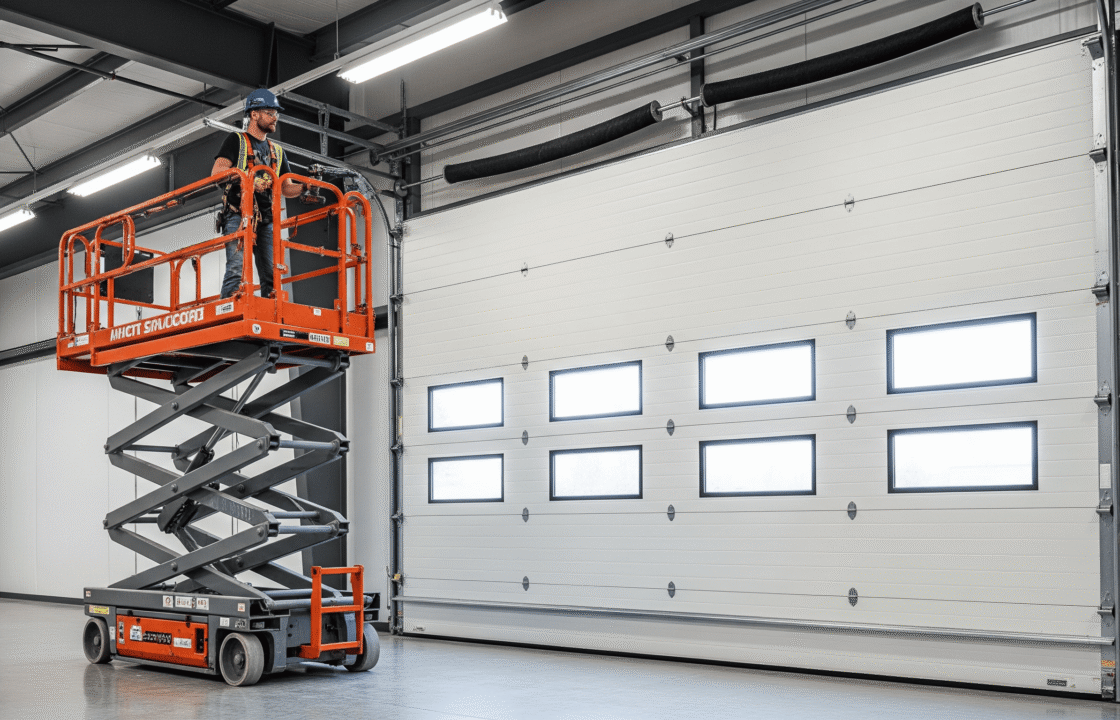
تركيب باب المرآب القطاعي: دليل مبسط
قد يبدو التعامل مع تركيب باب مرآب قطاعي أمرًا شاقًا بعض الشيء، لكن خذه خطوة بخطوة، وستتمكن ...
اقرأ المزيد
كيفية اختيار أفضل باب مقاوم للحريق لمبناك
يعد اختيار الباب المقاوم للحريق المناسب أمرًا بالغ الأهمية لضمان السلامة والامتثال في مبناك. تحتاج إلى فهم ...
اقرأ المزيد