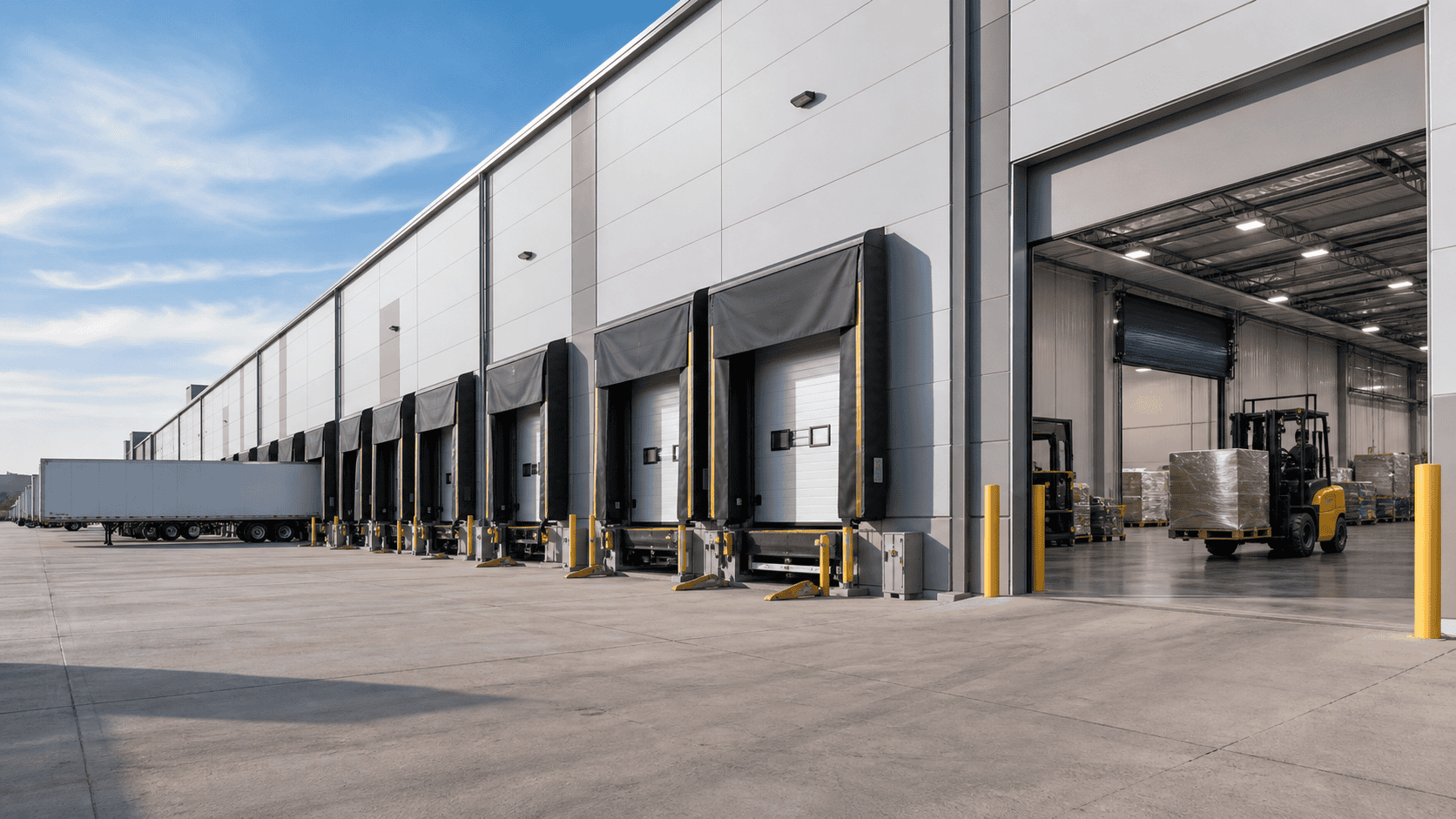
Для многих складских проектов площадь в квадратных футах по-прежнему является первым обсуждаемым показателем. Однако недавние статьи по логистике, объявления о промышленной недвижимости и спецификации государственных закупок указывают на более операционный вопрос: какой объем продукции объект может переместить через свою доковую систему в течение установленных окон приема и отгрузки?
Этот сдвиг делает пропускную способность доковых ворот важной темой закупок для распределительных центров, кросс-докинговых терминалов, складов 3PL, промышленных парков и крупных коммерческих проектов. Количество ворот по-прежнему имеет значение, но ценность каждого проема зависит от доступности, скорости цикла, интерфейса с грузовиком, изоляции, средств безопасности, координации труда и технического обслуживания.
Это не универсальный эталон для каждого склада. Это практический способ для покупателей связать комплект промышленных ворот с рабочим процессом, который должно поддерживать здание.
Ключевые выводы
- Кросс-докинговые операции быстро выявляют пропускную способность доков, поскольку входящие и исходящие потоки зависят от синхронизированных временных окон.
- Крупные промышленные объекты все чаще рекламируются или специфицируются с указанием количества доковых ворот, въездных пандусов, высоты потолков и вместимости грузового двора как единого операционного пакета.
- Покупатели должны оценивать доступность ворот и надежность цикла, а не только количество проемов, установленных в здании.
- Быстроходные ворота, утепленные секционные ворота, доклевеллеры, укрытия, фиксаторы и профилактическое обслуживание должны планироваться как единая погрузочная система.
Почему пропускная способность доковых ворот важна в кросс-докинговых операциях
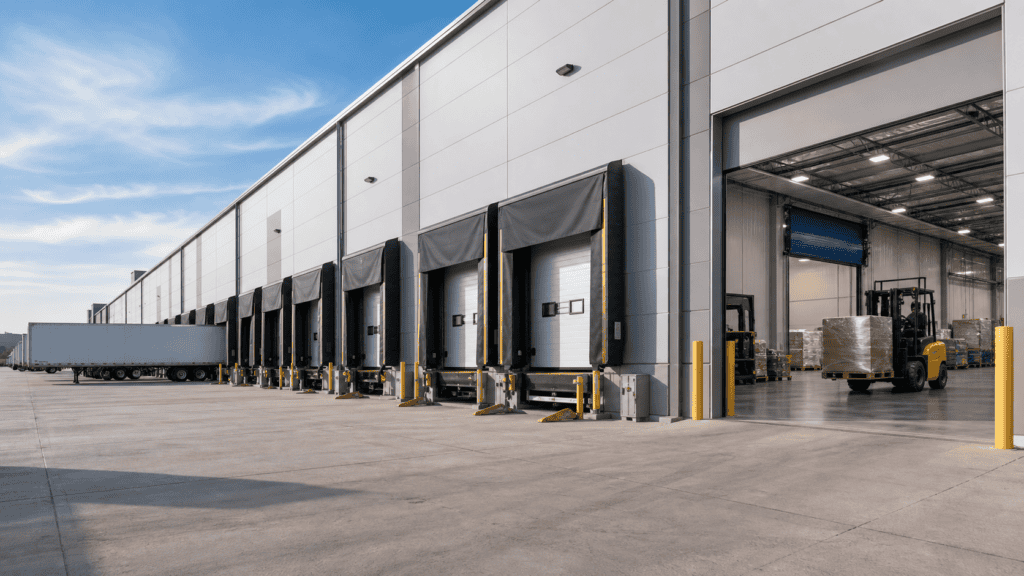
Кросс-докинг сокращает время хранения товаров, перемещая продукты от приемки к отгрузке с ограниченным промежуточным обращением. Это делает док точкой, где встречаются графики, транспортные средства, персонал, оборудование для обработки грузов и системы ворот.
Когда док перегружен, дополнительное складское пространство автоматически не решает проблему. Грузовики могут ждать свободного места, вилочные погрузчики могут стоять в очереди за занятым проемом, а сроки отправки могут быть сорваны. Ворота, которые технически установлены, но недоступны из-за неисправного привода, поврежденного уплотнения, небезопасного датчика или задержки обслуживания, не вносят вклад в свою проектную мощность.
Компания FENGYE Logistics недавно описывала складскую мощность в терминах доковых ворот, человеко-часов, окон транспортировки и показателя «от дока до стеллажа», а не только площади в квадратных футах. Этот операционный урок полезен для покупателей ворот: здание должно специфицироваться исходя из профиля движения, а не только из плана этажа.
Для проектных групп полезные операционные показатели могут включать:
- Доступность ворот в запланированные окна приемки и отгрузки
- Среднее время полного цикла погрузки или разгрузки
- Время ожидания в очереди до того, как грузовик достигнет свободных ворот
- Количество циклов ворот в час или за смену в нормальных и пиковых условиях
- Время от дока до стеллажа для входящих товаров
- Незапланированные простои и среднее время ремонта
- Инциденты безопасности, срабатывания датчиков и ручное управление
Эти показатели помогают превратить общий запрос на “складские ворота” в измеримое техническое задание.
Недавние промышленные проекты показывают, как используется количество ворот
Несколько текущих промышленных примеров показывают, что доковая инфраструктура рассматривается как часть операционной ценности объекта.
В пресс-релизе JLL от 9 июля 2026 года о Clovis Crossing, легком промышленном парке из двух зданий в Сан-Маркосе, штат Техас, описывается объект площадью 213 125 квадратных футов с высотой потолков 32 фута, 60 доковыми воротами, четырьмя въездными пандусами и гибкими конфигурациями для арендаторов. Релиз посвящен мостовому финансированию, а не прогнозу рынка ворот. Однако уровень детализации дока показывает, что промышленные покупатели и инвесторы считают важным при оценке логистически готового пространства.
Объект PNK Harmony в Блейксли, штат Пенсильвания, также представляет кросс-докинговую планировку со 114 утепленными погрузочными доковыми воротами, четырьмя въездными воротами, потолками высотой 40 футов, грузовым двором на 190 футов и парковкой для трейлеров. Объект был выставлен на продажу 13 июля 2026 года; дата первоначальной публикации объявления не подтверждена. Опять же, это пример объекта, а не среднерыночный показатель, но он иллюстрирует, как количество ворот и изоляция могут использоваться для демонстрации возможности работы с большими объемами.
Государственные спецификации подтверждают ту же точку зрения с точки зрения закупок. Запрос предложений NAVFAC/NEXCOM на складской распределительный центр площадью от 400 000 до 600 000 квадратных футов в районе Чино, Калифорния, требует минимум 65 доковых ворот с определенными размерами и эксплуатационными требованиями. Возможность была опубликована 3 апреля 2026 года, обновлена 8 июля, а крайний срок ответа был 13 июля 2026 года.
В совокупности эти примеры указывают на четкое ожидание покупателя: погрузочный доступ — это не декоративная особенность здания. Это часть обсуждения мощности, уровня обслуживания и готовности для арендатора.
Одного количества ворот недостаточно
Большое количество ворот может создать впечатляющий маркетинговый язык, но это не гарантирует быстрое перемещение. Покупатели должны спросить, что каждые ворота могут надежно делать в реальных условиях.
1. Соотнесите ворота с характером трафика
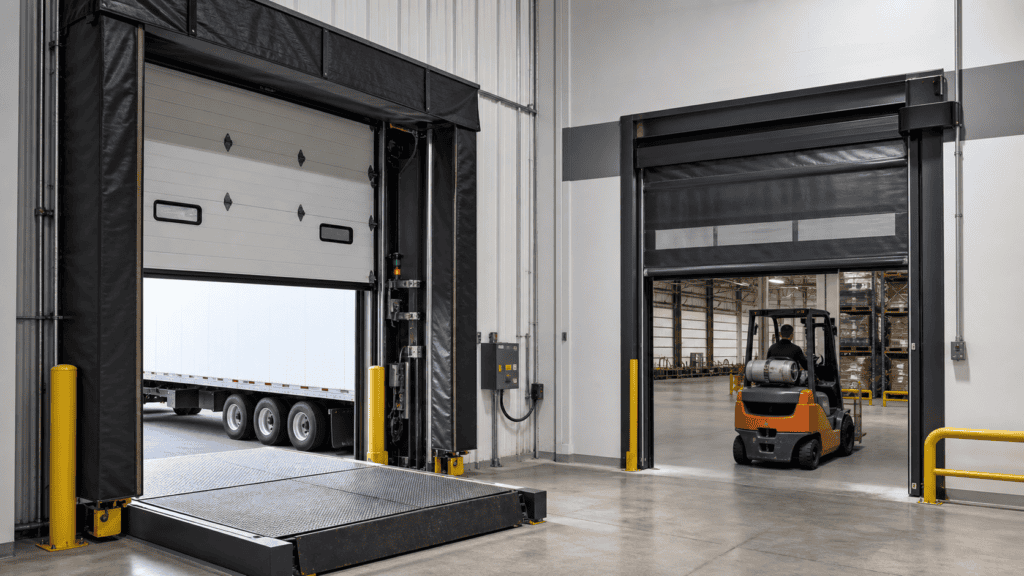
Внешние погрузочные позиции часто требуют утепленных промышленных секционных ворот, доковых укрытий, доклевеллеров и оборудования фиксации транспортных средств. Эти компоненты помогают преодолеть разрыв между складским полом и различной высотой трейлеров, одновременно уменьшая воздействие погоды и перепадов температур.
Внутренние перевалочные пункты обычно имеют другой приоритет. Быстроходные рулонные, «молниевые» или спиральные ворота могут помочь разделить производственные, складские и погрузочные зоны, где частое открытие и закрытие влияет на транспортный поток, контроль пыли, температурную стабильность или безопасность труда.
Таким образом, наилучшая спецификация может сочетать несколько типов ворот, а не использовать один продукт по всему зданию.
2. Определите рабочий цикл и условия эксплуатации
Складские ворота должны выбираться с учетом ожидаемых циклов, размера проема, ветровой нагрузки, температурного диапазона и частоты трафика. Ворота для периодической погрузки грузовиков имеют не тот же профиль нагрузки, что и высокочастотный внутренний проход, используемый вилочными погрузчиками в течение нескольких смен.
Покупатели должны предоставить расчетное количество ежедневных циклов, пиковый часовой трафик, тип транспортного средства, размеры проема, доступное пространство над проемом и требуемую скорость работы. Эта информация помогает поставщику рекомендовать подходящий двигатель, систему управления, структуру полотна или панели, расположение направляющих и комплект безопасности.
3. Рассматривайте безопасность и автоматизацию как требования к пропускной способности
Устройства безопасности неотделимы от производительности. Ворота, которые останавливаются непредсказуемо, не имеют четкой логики предупреждения или требуют частого ручного вмешательства, могут создавать операционные задержки, а также риск.
В зависимости от применения спецификация может включать фотоэлектрические датчики, предохранительные кромки или нижние подушки безопасности, предупредительные лампы, аварийные кнопки остановки, ручное открывание, активацию от радара или петлевого датчика, а также блокировку с доковым оборудованием или светофорами. Точная конфигурация должна соответствовать условиям проекта и применимым местным требованиям.
4. Включите изоляцию и герметизацию в операционную модель
Для объектов холодильного хранения, пищевой промышленности, фармацевтики, с контролируемым климатом и энергоэффективных объектов проем является частью строительной оболочки. Утепленные панели, периметральные уплотнители, нижние уплотнители, доковые укрытия и быстрые циклы закрытия помогают уменьшить нежелательный воздухообмен и защитить внутренние условия.
Акцент в объявлении PNK Harmony на утепленных погрузочных воротах является полезным рыночным сигналом. Это показывает, что покупатели могут оценивать производительность ворот вместе с утепленными стенами, готовностью системы кондиционирования и общей пригодностью объекта для операций, чувствительных к температуре.
5. Планируйте техническое обслуживание до установки ворот
Погрузочная система с десятками ворот требует стратегии обслуживания. Котировка должна уточнять интервалы осмотра, запасные части, время реагирования, доступ для оператора, процедуры аварийного ремонта и информацию, необходимую для идентификации каждых ворот.
Для крупных проектов покупателям следует рассмотреть маркировку активов, счетчики циклов, записи профилактического обслуживания, сменные уплотнители, тестирование устройств безопасности и, где это практично, стандартизированные компоненты. Это облегчает управление системой для объектовых групп и подрядчиков по обслуживанию после сдачи объекта.
Что это означает для закупок промышленных ворот
Для дистрибьюторов, генеральных подрядчиков, девелоперов складов и логистических операторов запрос котировок должен включать больше, чем просто название продукта и количество. Более качественный RFQ может запрашивать:
- Ширину, высоту проема ворот, пространство над проемом, боковое и тыловое пространство
- Внешнее или внутреннее расположение и ожидаемое направление трафика
- Нормальные и пиковые ежедневные циклы
- Тип транспортного средства, высоту дока и требования к погрузочному оборудованию
- Требуемую скорость открытия и закрытия
- Ожидания по изоляции, герметизации, ветроустойчивости, гигиене или контролю температуры
- Электропитание, метод управления, расположение датчиков и аварийную эксплуатацию
- Применимые стандарты проекта, местные строительные нормы и документацию
- Объем профилактического обслуживания, запасные части и послепродажную поддержку
- Обязанности по отгрузке, монтажу, пусконаладке и инспекции на объекте
Этот процесс помогает покупателям сравнивать полные системы вместо сравнения только цены панели. Он также дает подрядчикам и дистрибьюторам более четкую информацию для планирования монтажа и будущего сервисного обслуживания.
Где Продукция SEPPES Находит Применение
Компания SEPPES предоставляет решения для промышленных ворот и докового оборудования для заводов, складов, чистых помещений, холодильных камер и логистических объектов. Обсуждение пропускной способности дока естественным образом связано с несколькими продуктовыми направлениями:
- Промышленные секционные ворота: утепленные вертикально-подъемные ворота для наружных складских и погрузочных проемов, где важны долговечность, герметизация и стабильная работа.
- Быстроходные рулонные ворота: быстрооткрывающиеся ворота для частого внутреннего трафика, разделения зон и промышленных проходов.
- Быстроходные «молниевые» ворота: Герметичные, самовосстанавливающиеся варианты для зон, где важны интенсивность движения и сокращение времени простоев.
- Высокоскоростные спиральные ворота: Жесткие утепленные ворота для крупных или высокопроизводительных промышленных проемов со сложными режимами движения.
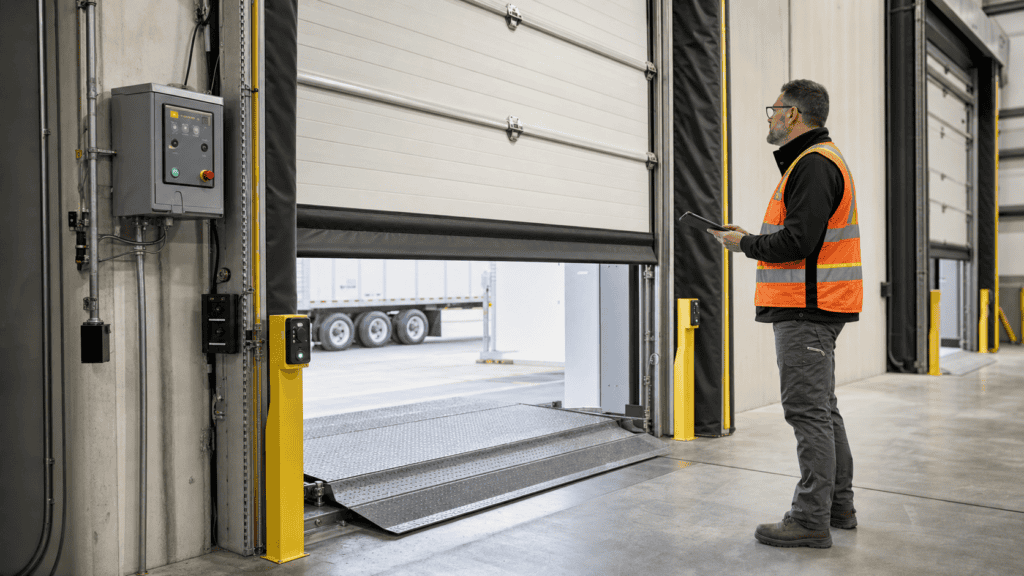
- Оборудование для погрузочных доков: Доклевеллеры, док-укрытия и сопутствующее оборудование, обеспечивающее соединение складских полов с различными транспортными средствами и условиями загрузки.
Для зарубежных B2B-покупателей обсуждение продукта должно начинаться с рабочего процесса объекта. Затем SEPPES может помочь проанализировать размеры проемов, количество, условия эксплуатации, частоту использования, требования к управлению и подходящую комбинацию промышленных ворот и докового оборудования.
Заключение: Указывайте пропускную способность, а не только количество проемов
Недавние комментарии в сфере логистики, примеры промышленных объектов и спецификации государственных закупок указывают на более операционный подход к оценке складских ворот. Количество ворот — полезная отправная точка, но реальный вопрос заключается в том, сможет ли вся система обеспечивать движение транспортных средств, людей и товаров в требуемые рабочие интервалы.
Это означает совместную оценку доступности, скорости цикла, теплоизоляции, герметизации, средств безопасности, стыковки с доком и технического обслуживания. Объект с меньшим количеством правильно подобранных и обслуживаемых ворот может превзойти более крупную установку, в которой отсутствуют надежные системы управления, совместимое оборудование или план обслуживания.
Для покупателей складских и промышленных ворот в 2026 году пропускная способность доковых ворот становится практическим показателем производительности. Поставщики, способные обсуждать ворота, привод, доковое оборудование, систему безопасности и поддержку жизненного цикла как единый проект, лучше подготовлены к поддержке логистических объектов следующего поколения.
Часто задаваемые вопросы
Всегда ли большее количество доковых ворот лучше?
Нет. Количество ворот должно соответствовать графику движения грузовиков, площади двора, трудовым ресурсам, вилочным погрузчикам, доковому оборудованию и фактическому профилю трафика объекта. Большее количество проемов не гарантирует более высокой пропускной способности, если окружающий процесс ограничен.
Какой тип ворот лучше всего подходит для кросс-докингового склада?
Для внешних позиций грузовиков обычно используются утепленные промышленные секционные ворота с доклевеллерами, укрытиями и защитным оборудованием. Высокоскоростные ворота часто более подходят для внутренних перегрузочных пунктов или зон с высокой интенсивностью движения. Окончательный выбор зависит от размера проема, циклов, условий эксплуатации и местных требований.
Что покупатели должны включать в запрос предложений (RFQ) на доковые ворота?
Включайте размеры проема, расположение ворот, частоту движения, высоту транспортного средства и дока, требуемую скорость, потребности в теплоизоляции и герметизации, электропитание, защитные устройства, метод управления, применимые стандарты, ожидания по техническому обслуживанию и график проекта.
Почему важны утепленные доковые ворота?
Они могут поддерживать контроль температуры, уменьшать нежелательный воздухообмен и улучшать рабочую среду, когда объект обрабатывает чувствительные к климату товары или имеет значительные потребности в отоплении и охлаждении. Уплотнения, док-укрытия, качество монтажа и скорость закрытия также влияют на производительность.
Определяет ли эта статья универсальный эталон пропускной способности доковых ворот?
Нет. Статья обобщает текущие сигналы отрасли и предоставляет основу для закупок. Каждый объект должен устанавливать свои собственные целевые показатели пропускной способности, используя объем трафика, рабочие интервалы, трудовые ресурсы, оборудование и условия площадки.
Рекомендуемые внутренние ссылки
- Страница продукта «Промышленные секционные ворота»
- Страница продукта «Высокоскоростные ворота»
- Страница продукта «Высокоскоростные спиральные ворота»
- Страница продукта «Гидравлический доклевеллер»
- Страница: Контакты / Консультация по проекту