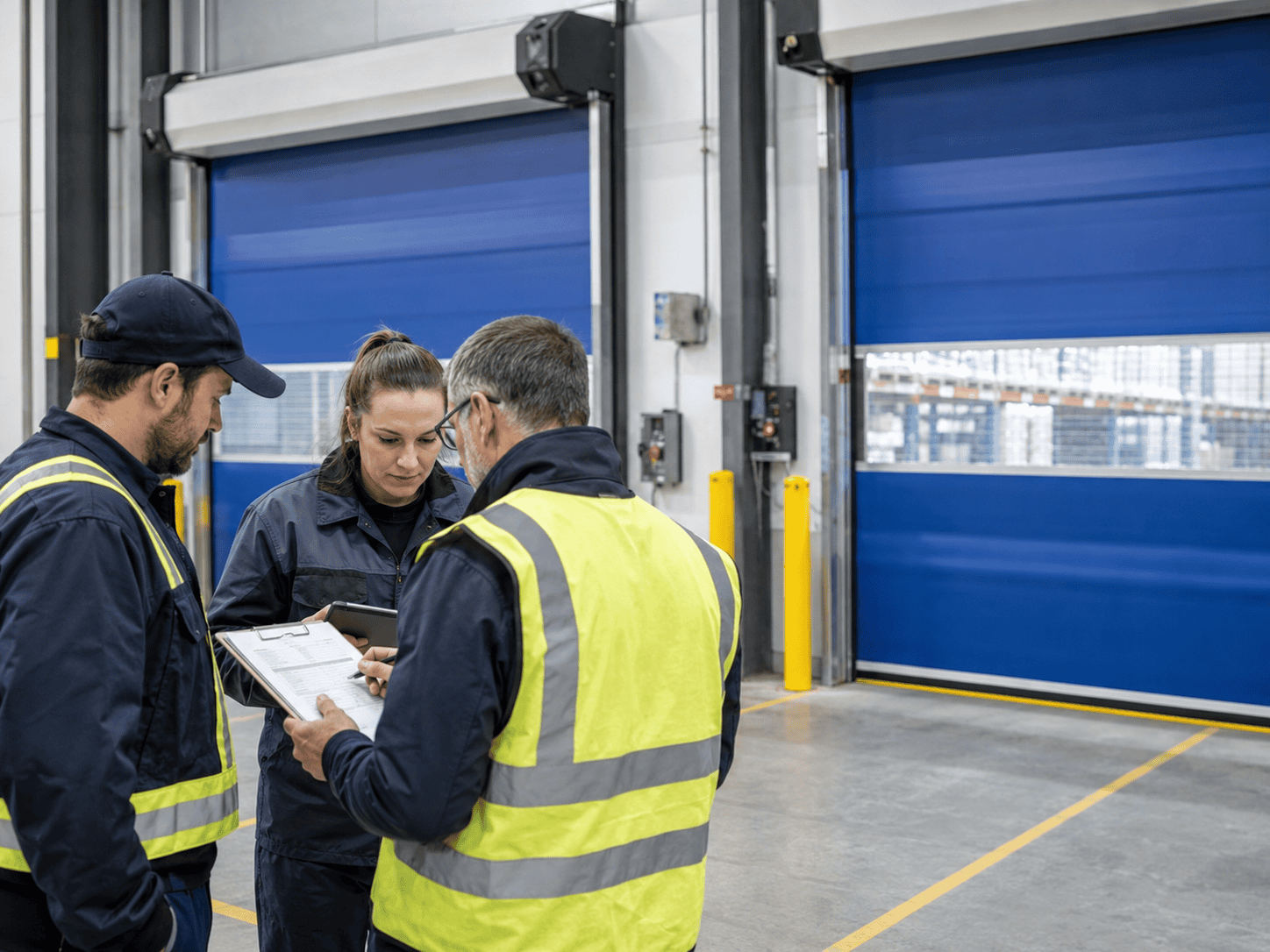
Käufer von Industrietoren kaufen nicht länger ein einfaches Öffnungs- und Schließgerät. In Lagerhallen, Fabriken, Logistikzentren, Kühlräumen, Parkeinrichtungen und Laderampen beeinflusst die Torsteuerung nun die Sicherheit, die Servicegeschwindigkeit, die Wartungsplanung, den Benutzerzugang, die Energieeffizienz und die Compliance-Dokumentation.
Aktuelle Branchenberichte des Door Industry Journal und von GfA weisen in dieselbe Richtung: Moderne Industrietore sollen intelligentere Diagnose, Fernsupport, schnellere Inbetriebnahme, bessere Wartungstransparenz und eine stärkere Vorbereitung auf Compliance-Anforderungen unterstützen. Gleichzeitig gilt die EU-Maschinenverordnung 2023/1230 ab dem 20. Januar 2027, was die Aufmerksamkeit auf Digitalisierung, Cybersicherheit, Dokumentation und Maschinensicherheit erhöht.
Für Facility-Käufer, Händler, Auftragnehmer und Projektverantwortliche ergibt sich daraus eine praktische Beschaffungsfrage:
Sind die Industrietorsteuerungen darauf vorbereitet, wie die Anlage nach 2027 tatsächlich betrieben wird?
Dieser Artikel stellt keine Rechtsberatung dar. Er ist eine Beschaffungscheckliste für Käufer, die Industrie-Sektionaltore, Schnelllauftore, Verladetore, Feuerschutzsysteme und automatisierte Lagertorpakete sicherer vergleichen müssen.
Wichtige Erkenntnisse
Industrietorsteuerungen beeinflussen heute Sicherheit, Verfügbarkeit, Diagnose, Wartungseffizienz und Compliance-Bereitschaft.
- Die EU-Maschinenverordnung 2023/1230 gilt ab dem 20. Januar 2027 und lenkt die Aufmerksamkeit der Käufer auf Dokumentation, digitale Anleitungen, Software, Cybersicherheit und Konformitätsbewertung.
- Facility-Käufer sollten vor der Bestellung nach Steuerungslogik, Sicherheitseinrichtungen, Fehleraufzeichnungen, Software-Updates, Benutzerberechtigungen, manueller Übersteuerung und Service-Support fragen.
- Für SEPPES-Kunden verbindet die stärkste Spezifikation Tortyp, Antrieb, Steuerungstafel, Sensoren, Inbetriebnahmeprozess und Wartungsplan als ein Betriebssystem.
Warum Industrietorsteuerungen heute ein Beschaffungsthema sind
Viele Jahre lang konzentrierten sich die Spezifikationen für Industrietore auf das sichtbare Produkt: Torgröße, Tafelmaterial, Öffnungsgeschwindigkeit, Isolierung, Farbe, Windwiderstand und Preis. Diese Details sind weiterhin wichtig. Sie beschreiben jedoch nicht vollständig, wie sich das Tor im täglichen Betrieb verhält.
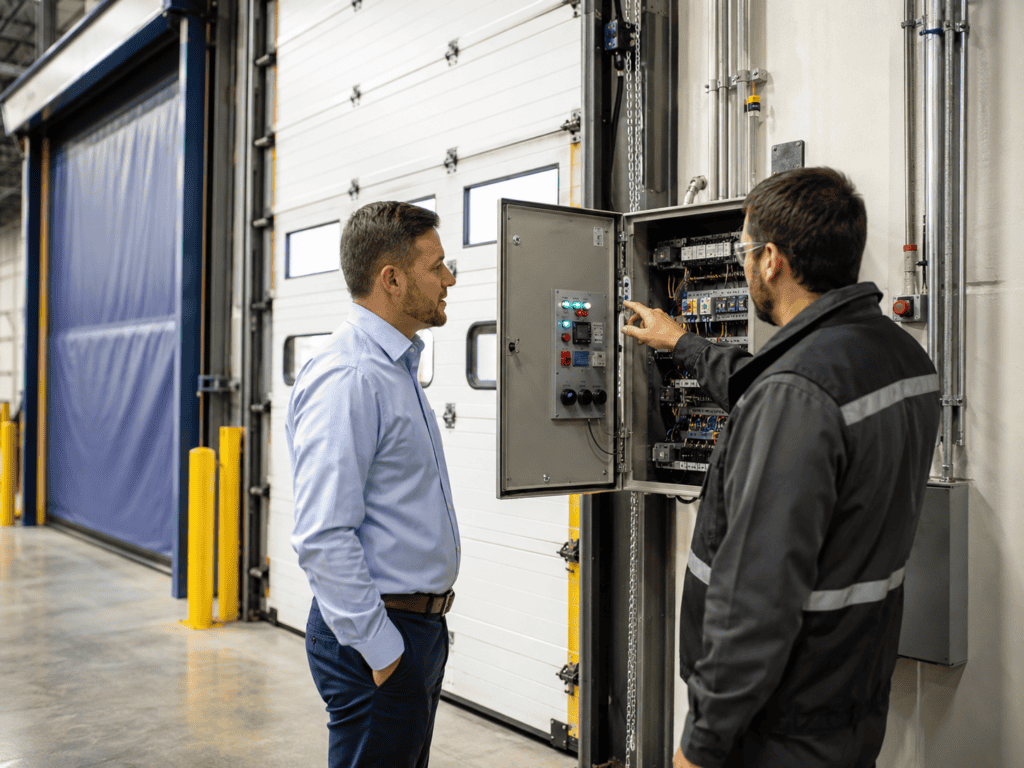
Ein modernes Industrietor muss möglicherweise mit Gabelstaplern, Radarsensoren, Sicherheitskanten, Lichtschranken, Warnleuchten, Zutrittskontrollsystemen, Brandmeldeschnittstellen, Laderampen, Fahrzeugrückhaltesystemen, Reinraum-Druckregelung oder Lagerverwaltungsabläufen interagieren. In dieser Umgebung ist die Steuerung kein kleines Zubehör. Sie ist das Entscheidungszentrum der Öffnung.
Ein Artikel des Door Industry Journal vom 11. Juli 2026 von Andy Collett von GfA UK beschrieb den Druck auf die Industrietorbranche: Fachkräfte sind knapp, die Serviceerwartungen steigen, und Kunden erwarten zunehmend intelligentere Diagnose, Compliance-Transparenz, Fernsupport, schnellere Inbetriebnahme und effiziente Wartung. Die eigenen GfA-Updates von 2026 für TS-C und evodo weisen mit vernetzten Steuerungstafeln, mobilem Parameterzugriff, Software-Updates, Ferndiagnose und rollenbasierter Transparenz in dieselbe Richtung.
Das Door Industry Journal veröffentlichte außerdem am 13. Juli 2026 einen Artikel über Ellard und MDS auf der The Fire Safety Event 2026, wo Automatisierung, Brandschutzkonformität, technischer Support und industrielle Feuerschutzsysteme als integrierte Lieferkettendiskussion präsentiert wurden. Dies ist ein weiteres nützliches Signal für Käufer: Steuerungen, Dokumentation und Servicefähigkeit werden Teil des Kern-Torpakets.
Die Lehre für Käufer ist klar. Ein kostengünstiges Torpaket kann teuer werden, wenn die Steuerung schwer in Betrieb zu nehmen, schwer zu diagnostizieren ist, wesentliche Sicherheitsfunktionen vermissen lässt oder schlecht dokumentiert ist. Die bessere Frage ist nicht einfach “Welches Tor ist günstiger?”, sondern “Welches Torsteuerungspaket hält die Anlage sicher, nachvollziehbar, wartbar und bereit für zukünftige Anforderungen?”
Der Compliance-Kontext 2027
Die EU-Maschinenverordnung 2023/1230 wird ab dem 20. Januar 2027 die aktuelle Maschinenrichtlinie ersetzen. Die EU-OSHA fasst zusammen, dass die Verordnung ab diesem Datum gilt, während einige Anforderungen an benannte Stellen bereits früher galten. TÜV Rheinland erklärt, dass die 42-monatige Übergangsfrist am 19. Januar 2027 endet und dass es nach dem Übergang keinen parallelen Zeitraum gibt, in dem beide Rahmenwerke frei angewendet werden können.
Für Industrietorkäufer ist der entscheidende Punkt, 2027 nicht als fernes rechtliches Detail zu betrachten. Automatisierte Industrietore und zugehörige Antriebs- oder Steuerungssysteme können sich in einem breiteren Umfeld der Maschinensicherheit und Gebäudesicherheit befinden. Käufer, die Produkte auf dem europäischen oder EU-angepassten Markt platzieren, sollten den endgültigen Compliance-Pfad mit qualifizierten Beratern, benannten Stellen, Importeuren und lokalen Behörden bestätigen.
Selbst außerhalb Europas ist die Beschaffungslogik jedoch nützlich. Der neue Maschinenrahmen legt mehr Wert auf:
- Klare Sicherheits- und Risikoinformationen
- Digitale Anleitungen und zugängliche Dokumentation
- Auswirkungen von Software und vernetzten Geräten
- Cybersicherheit und industrielle Sicherheit
- Konformitätsbewertung und technische Unterlagen
- Rückverfolgbarkeit von Änderungen, Einstellungen und Produktkonfiguration
- Verantwortung bei wesentlichen Änderungen an der Maschine
Dies sind auch praktische Facility-Management-Themen. Ein Torsystem mit schlechter Dokumentation, schwacher Zugangskontrolle oder unklarer Software-Handhabung ist schwieriger zu warten und nach einem Ausfall schwieriger zu verteidigen.
Frage 1: Was verwaltet die Steuerungstafel tatsächlich?
Die erste Frage klingt einfach, wird aber oft übersprungen. Käufer sollten fragen, welche Funktionen von der Hauptsteuerungstafel und welche von separatem Zubehör gesteuert werden.
Eine nützliche Antwort sollte Folgendes abdecken:
- Öffnungs- und Schließmodi
- Tippbetrieb oder automatischer Betrieb
- Geschwindigkeitsregelung und Sanftanlauf- oder Sanftstopp-Verhalten
- Endlagen-Einstellung und Anpassungsmethode
- Eingänge von Sicherheitssensoren
- Warnleuchten oder akustische Alarme
- Externe Aktivierungsgeräte wie Radar, Schleifenschleifen, Zugschalter, Funkfernbedienungen, Tastaturen oder Zutrittskontrollleser
- Verriegelungslogik mit anderen Toren oder Geräten
- Not-Halt und manuelles Auslöseverhalten
- Kompatibilität mit Motor, Torart, Torgewicht und Zyklusfrequenz
Beispielsweise benötigt ein Schnelllauf-Rolltor auf einer Gabelstaplerroute eine andere Steuerungslogik als ein isoliertes Sektionaltor an einer Außenladerampe. Ein Reinraumtor kann eine Verriegelungs- oder Druckregelungslogik erfordern. Ein Feuerschutzvorhang benötigt möglicherweise eine andere Ausfallsicherungsstrategie und eine Schnittstelle zu Brandschutzsystemen.
Der Käufer sollte nicht davon ausgehen, dass jedes “automatische Tor” die gleiche Steuerungsfähigkeit hat.
Frage 2: Ist das System für den erwarteten Verkehr und die Zyklusbelastung ausgelegt?
Torsteuerungen sollten dem tatsächlichen Bewegungsmuster der Anlage entsprechen. Ein Tor, das zehnmal pro Tag öffnet, hat ein anderes Belastungsprofil als ein Schnelllauftor, das hunderte Male pro Schicht zyklisiert.
Vor der Bestellung sollten Käufer Folgendes angeben:
- Geschätzte tägliche Zyklen
- Verkehr in Spitzenzeiten
- Fahrzeugtyp und -geschwindigkeit
- Toröffnungsgröße
- Innen- und Außenumgebung
- Temperatur- und Feuchtigkeitsbereich
- Windeinwirkung
- Staub-, Feuchtigkeits-, Hygiene- oder Nassreinigungsbedingungen
- Stromversorgung und Spannungsanforderungen
- Erforderliche Öffnungs- und Schließgeschwindigkeit
Diese Informationen helfen dem Lieferanten, den richtigen Antrieb, die richtige Steuerungstafel, Sensoren, Schutzart, Antriebskonfiguration und das Sicherheitspaket auszuwählen. Sie verhindern auch, dass ein unterspezifiziertes Tor zu einem Engpass wird.
Für SEPPES-Kunden ist dies besonders wichtig bei der Auswahl von Schnelllauftoren, Schnelllauf-Spiralttoren, Industrie-Sektionaltoren und Verladetoren. Diese Produkte mögen auf einem Angebotsblatt ähnlich aussehen, aber ihre Steuerungsanforderungen können sehr unterschiedlich sein, sobald die Anlage in Betrieb geht.
Frage 3: Welche Sicherheitseinrichtungen und Steuerungslogik sind enthalten?
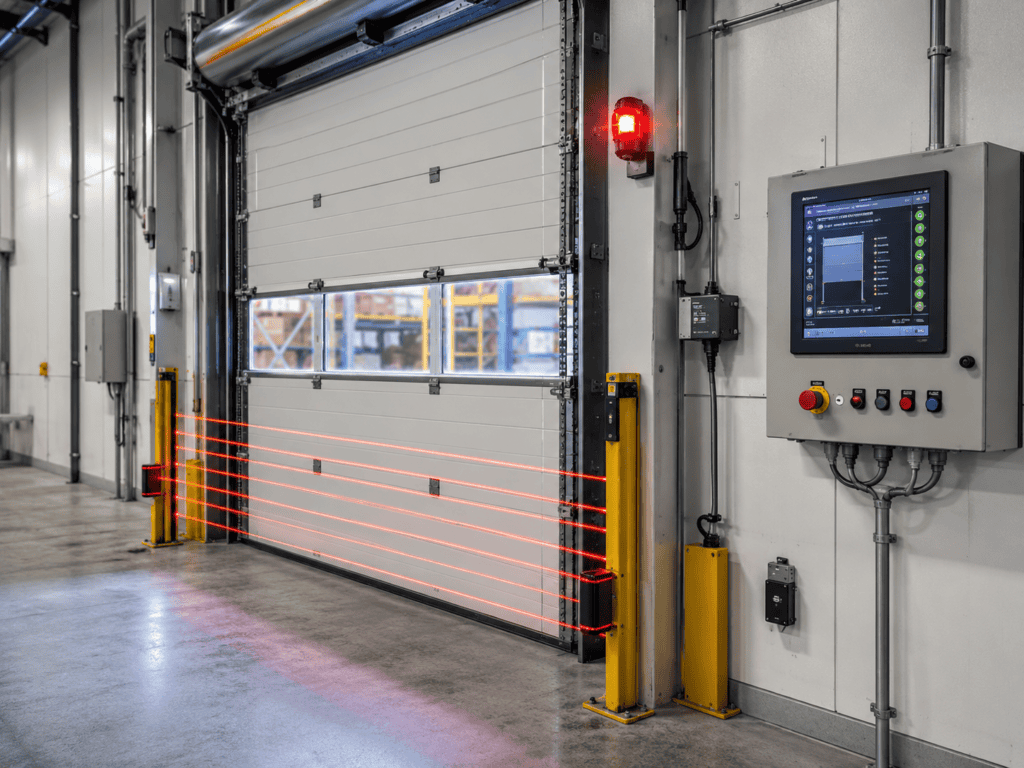
Sicherheit bei Industrietoren bedeutet nicht nur das Hinzufügen eines Sensors. Es geht darum, wie das gesamte System Risiken erkennt und darauf reagiert.
Abhängig vom Tortyp und Projektstandort müssen Käufer möglicherweise Folgendes prüfen:
- Fotoelektrische Sensoren
- Sicherheitskanten oder Boden-Airbags
- Radar- oder Bewegungssensoren
- Lichtvorhänge
- Not-Aus-Taster
- Handauslösung und Notkettenbetrieb
- Warnleuchten
- Akustische Alarme
- Türpositionsrückmeldung
- Hinderniserkennung
- Verzögerungseinstellungen für die automatische Schließung
- Prüf- und Inspektionsverfahren für Sicherheitseinrichtungen
- Ausfallsicheres Verhalten bei Stromausfall oder Signalverlust
Die wichtigste Frage ist, wie sich das System bei einer Störung verhält. Wenn ein Sensor blockiert ist, öffnet die Tür dann wieder, stoppt sie, bleibt sie offen oder ist ein Reset erforderlich? Bei Stromausfall: Können geschulte Mitarbeiter die Tür sicher bedienen? Wenn ein externer Befehl mit einer Sicherheitseingabe kollidiert, welches Signal hat Priorität?
Diese Details sollten vor der Installation besprochen werden, nicht nach dem ersten Vorfall.
Frage 4: Kann die Tür effizient in Betrieb genommen und eingestellt werden?
Bei der Inbetriebnahme treten oft versteckte Kosten auf. Wenn das Steuerungssystem eine langsame manuelle Einstellung, unklare Verkabelung, Spezialwerkzeuge oder wiederholte Vor-Ort-Besuche erfordert, kann der Käufer Zeit verlieren, selbst wenn der Produktpreis attraktiv erschien.
Der GfA-Artikel des Door Industry Journals hob den Wert von Funktionen hervor, die Techniker unterstützen, darunter QR-Code-Zugriff auf Anleitungen, vereinfachte Verkabelungslayouts, Hebelklemmen, modulare Erweiterung und Parametersicherung. Die Inhalte von GfA zu evodo und TS-C zeigen ebenfalls die Branchenrichtung: Mobile Werkzeuge, Bluetooth-Parameterzugriff, Software-Updates, Ferndiagnose und zentrale Überwachung werden bei industriellen Türsteuerungen immer sichtbarer.
Facility-Käufer müssen keine bestimmte Marke kaufen, um von diesem Trend zu lernen. Sie sollten jeden Lieferanten fragen:
- Wie werden Endlagen eingestellt?
- Können Parameter gesichert oder auf mehrere Türen kopiert werden?
- Sind Schaltpläne und Anschlusslayouts klar?
- Gibt es einen Fehlercode-Leitfaden?
- Können Inbetriebnahmedaten für den zukünftigen Service gespeichert werden?
- Benötigt der Installateur ein proprietäres Gerät oder kostenpflichtige Software?
- Welche Schulung ist für lokale Techniker erforderlich?
- Sind die Anleitungen digital und in der erforderlichen Sprache verfügbar?
Für eine Anlage mit vielen Türen kann eine effiziente Inbetriebnahme erhebliche Zeit sparen. Sie kann auch Fehler reduzieren, wenn mehrere ähnliche Öffnungen dieselbe Betriebslogik benötigen.
Frage 5: Wer kann Einstellungen ändern, und wie werden Berechtigungen gesteuert?
Vernetzte Türsteuerungen werfen für Facility-Manager eine neue Frage auf: Wer darf die Tür einstellen?
In einer kleinen Werkstatt mag dies einfach sein. In einem Logistikzentrum, Kühllager, Flughafenfrachtgebäude, Pharmalager oder einem gewerblichen Mehrnutzerstandort ist die Antwort wichtig. Unterschiedliche Personen benötigen möglicherweise unterschiedliche Zugriffsstufen:
- Facility-Eigentümer
- Lagerleiter
- Wartungsleiter
- Autorisierter Servicevertragspartner
- Installateur
- Sicherheitsteam
- Mietervertreter
- Hersteller-Supportteam
Käufer sollten fragen, ob das System rollenbasierte Zugriffe, Passwortschutz, Servicekonten, Ereignisprotokolle oder Fernsichtbarkeit unterstützt. Wenn ein Türparameter geändert wird, sollte die Anlage wissen, wer ihn geändert hat, wann er geändert wurde und ob dies Sicherheit oder Leistung beeinträchtigt hat.
Dies ist nicht nur ein IT-Problem. Es ist ein Sicherheits- und Wartungsproblem. Unautorisierte Änderungen an Schließgeschwindigkeit, automatischer Schließzeit, Sensorlogik oder Betriebsart können ein echtes Betriebsrisiko darstellen.
Frage 6: Wie werden Störungen, Parameter und Wartungshistorie aufgezeichnet?
Ein gutes industrielles Türsteuerungspaket sollte der Anlage helfen zu verstehen, was vor einem Ausfall passiert ist.
Nützliche Aufzeichnungen können umfassen:
- Zyklenanzahl
- Störungshistorie
- Letztes Wartungsdatum
- Parameteränderungen
- Sensorunterbrechungen
- Handauslöseereignisse
- Softwareversion
- Seriennummer des Bedieners oder Bedienfelds
- Wartungsintervall
- Ersatzteilhistorie
Die GfA evodo Toolkit App auf Google Play beschreibt Parametrierung, Diagnose, Registrierung, historische Parametersätze und Datenspeicherung gemäß der EU-Maschinenverordnung. Die GfA evodo Stick App im Apple App Store verweist ebenfalls auf das Auslesen von Seriennummer, Softwareversion, Zyklenzähler, angeschlossener Hardware, aktueller Programmierung, Ereignishistorie und Fehlerspeicher für unterstützte Steuerungen.
Auch hier geht die Erkenntnis für den Käufer über ein einzelnes Produkt hinaus. Industrielle Türsteuerungen bewegen sich in Richtung nachvollziehbarer Servicedaten. Facility-Käufer sollten erwarten, dass Wartungsinformationen Teil der Kaufdiskussion sind.
Frage 7: Wie werden Software-Updates gehandhabt?
Software ist heute Teil vieler industrieller Türsysteme. Das schafft Vorteile, aber auch Verantwortung.
Käufer sollten fragen:
- Kann die Steuerungssoftware aktualisiert werden?
- Wer ist berechtigt, sie zu aktualisieren?
- Wird das Update vor Ort, remote oder beides durchgeführt?
- Wird die aktuelle Softwareversion aufgezeichnet?
- Sind Versionshinweise verfügbar?
- Was passiert, wenn ein Update fehlschlägt?
- Beeinflusst das Update sicherheitsrelevante Funktionen?
- Werden alte Bedienfelder weiterhin unterstützt?
- Wie werden Cybersicherheit und Zugangsberechtigungen verwaltet?
Der TÜV Rheinland weist darauf hin, dass die neue Maschinenverordnung neue Anforderungen im Bereich Digitalisierung und Konnektivität umfasst, darunter IoT, Software-Updates, funktionale Sicherheit und Cybersicherheit. Auch Pilz identifiziert die industrielle Sicherheit, die Digitalisierung, Software als Sicherheitskomponente sowie Betriebs- oder Konformitätsdokumente in digitaler Form als wichtige Änderungen.
Für Betreiber von Anlagen gilt die praktische Regel: Ist ein Türsteuerungssystem vernetzt, sollte der Lieferant erklären können, wie Updates, Berechtigungen, Cybersicherheit und die Kontinuität des Betriebs verwaltet werden.
Frage 8: Welche Dokumentation wird mit dem Türsystem geliefert?
Die Dokumentation ist Teil des Produkts. Sie sollte nicht als Kulanzleistung nach dem Verkauf behandelt werden.
Ein umfassendes Dokumentationspaket für Industrietore kann Folgendes umfassen:
- Produktspezifikation
- Torzeichnungen und Öffnungsmaße
- Modellinformationen zu Motor und Steuerungstafel
- Schaltplan
- Montageanleitung
- Bedienungsanleitung
- Wartungsanleitung
- Informationen zu Sicherheitseinrichtungen
- Prüf- oder Inspektionscheckliste
- Für den Zielmarkt erforderliche Konformitätserklärungen oder Zertifikatsdokumente
- Ersatzteilliste
- Fehlerbehebungsanleitung
- Gegebenenfalls Software- oder Parameteraufzeichnungen
- Vom Projekt geforderte Sprachversionen
Die EU-OSHA stellt fest, dass die Maschinenverordnung eine für die Benutzer verständliche Gebrauchsanleitung vorschreibt, die digital bereitgestellt werden kann. Digitale Anleitungen können nützlich sein, jedoch sollten Käufer den langfristigen Zugriff, die Versionskontrolle, die Sprache und die Verfügbarkeit für Serviceteams bestätigen.
Für ausländische Käufer ist dies besonders wichtig. Ein Projekt kann einen Hersteller, Exporteur, Importeur, Händler, Installateur, ein lokales Wartungsunternehmen und den Endbenutzer umfassen. Fehlende Dokumente können die Zollabfertigung verzögern, die Inbetriebnahme behindern oder zukünftige Serviceleistungen erschweren.
Frage 9: Können lokale Techniker das System nach der Übergabe warten?
Eine Anlage wird nicht nur am Tag der Installation betrieben. Industrietore benötigen Einstellarbeiten, Inspektionen, Reinigung, Ersatzteile und Notfallreparaturen.
Vor der Bestellung sollten Käufer fragen:
- Welche Teile sind übliche Verschleißteile?
- Sind Ersatzteile lokal oder beim Hersteller erhältlich?
- Wie ist der erwartete Ablauf bei Störungen?
- Können lokale Techniker Fehlercodes auslesen?
- Sind Servicehandbücher verfügbar?
- Wird eine Schulung für den Händler oder das Wartungsteam angeboten?
- Kann die Steuerungstafel die vorbeugende Wartungsplanung unterstützen?
- Kann derselbe Techniker mehrere Torarten im Projekt warten?
Diese Frage ist sowohl für Händler und Auftragnehmer als auch für Endbenutzer wichtig. Ein Steuerungssystem, das einfach zu diagnostizieren und zu warten ist, kann Rückrufe reduzieren, Margen schützen und das Kundenvertrauen stärken.
Frage 10: Versteht der Lieferant das gesamte Öffnungssystem?
Die beste Diskussion über die Steuerung von Industrietoren ist nicht isoliert vom Tor selbst zu führen. Ein Lieferant sollte verstehen, wie Steuerungstafel, Torblatt, Motor, Steuerkasten, Sensoren, Führungsschienen, Dichtungen, Schienenanordnung und der Arbeitsablauf vor Ort zusammenpassen.
Beispielsweise:
- Ein Schnelllauftor benötigt möglicherweise eine schnelle Zyklensteuerung, Radaraktivierung, Sicherheitskantenlogik und ein reparaturfreundliches Torblattdesign.
- Ein spiralförmiges Schnelllauftor erfordert möglicherweise eine stärkere Koordination von Motor und Steuerung für starre Paneele und höhere Bewegungsgeschwindigkeiten.
- Ein industrielles Sektionaltor benötigt möglicherweise präzise Auswuchtung, Schienenkonfiguration, Isolierung, Abstimmung des Antriebs und Planung der Andockschnittstelle.
- Ein Verladebrückentor erfordert möglicherweise die Koordination mit Ladebrücken, Torabdichtungen, Fahrzeugrückhaltesystemen, LKW-Verkehr und der Einwirkung von Außenwitterung.
- Ein Feuerschutzrollladen oder eine Feuerschutztür kann spezifisches Steuerungsverhalten, Prüfungen und Konformitätsdokumentation erfordern.
Käufer sollten vermeiden, das Torangebot zu früh vom Steuerungsangebot zu trennen. Das Steuerungspaket sollte für den Tortyp und die Anwendung ausgewählt werden und nicht als generisches Zubehör hinzugefügt werden.
Wo SEPPES-Produkte ansetzen
SEPPES liefert Industrietore und Verladebrückenlösungen für Fabriken, Lagerhäuser, Logistikeinrichtungen, Kühlhäuser, Reinräume, Gewerbegebäude und projektbezogene Anwendungen. Die Diskussion über Steuerungssysteme im Jahr 2027 knüpft auf natürliche Weise an mehrere Produktrichtungen von SEPPES an.
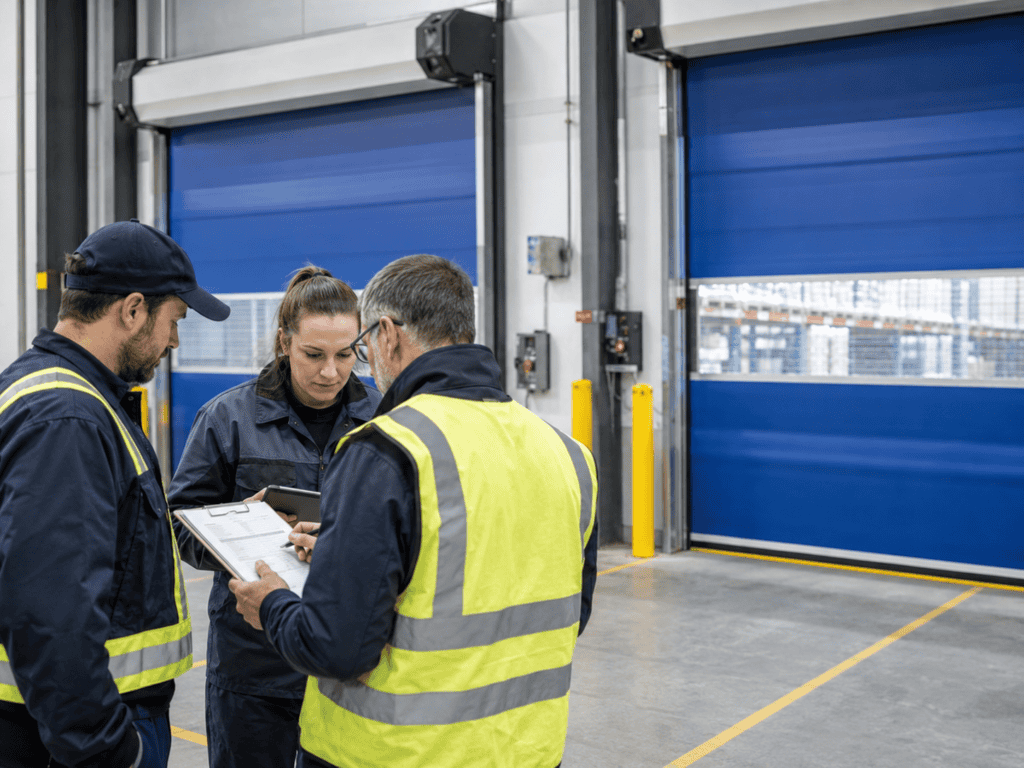
Schnelllauftore sind geeignet für Bereiche mit hohem Verkehrsaufkommen, wo Öffnungsgeschwindigkeit, Sicherheitsreaktion und reduzierter Luftaustausch wichtig sind. Käufer sollten die Aktivierungsmethode, tägliche Zyklen, Sicherheitssensoren, Steuerungslogik und Wartungszugang besprechen.
Hochgeschwindigkeits-Spiraltore sind nützlich für leistungsstärkere Öffnungen, die einen schnellen Betrieb, eine robustere Struktur und eine bessere Trennung zwischen Innen- und Außenbereichen erfordern. Die Kompatibilität der Steuerung, die Motorauswahl und die Anordnung der Sicherheitseinrichtungen sind zentral für die Spezifikation.
Industrielle Sektionaltore werden häufig an Außenlager- und Verladeöffnungen eingesetzt. Käufer sollten Isolierung, Schienentyp, Antriebsauswahl, Steuerungsmodus, Abdichtung, Windeinwirkung und Notbetrieb prüfen.
Verladebrückentore und Andockausrüstung sollten als ein System geplant werden. Das Tor, die Ladebrücke, die Torabdichtung, die Fahrzeugrückhaltung, die Ampel und der Steuerungsprozess beeinflussen alle die Sicherheit und die Ladeeffizienz.
Für ausländische B2B-Käufer kann SEPPES die frühe Spezifikationsphase unterstützen, indem es Öffnungsmaße, Verkehrsmuster, Zyklenanforderungen, Steuerungsanforderungen, Sicherheitskonfiguration, Dokumentationsbedarf und Produktauswahl prüft.
Eine praktische RFQ-Checkliste für Betreiber von Anlagen
Vor der Anforderung eines endgültigen Angebots sollten Käufer die folgenden Fragen zum Steuerungssystem in die RFQ aufnehmen:
- Welcher Tortyp, welcher Antrieb und welche Steuerungstafel sind enthalten?
- Welche Sicherheitseinrichtungen sind Standard und welche optional?
- Welche Öffnungs- und Schließmodi sind verfügbar?
- Was ist der empfohlene tägliche Zyklenbereich?
- Wie werden Endlagen, Geschwindigkeit, Zeitsteuerung und Betriebsparameter eingestellt?
- Können Parameter gesichert, kopiert oder aufgezeichnet werden?
- Welche Fehlercodes, Ereignisprotokolle oder Zyklenzähler sind verfügbar?
- Kann das System Ferndiagnose oder digitale Serviceaufzeichnungen unterstützen?
- Wie werden Software-Updates gehandhabt?
- Wer darf Einstellungen ändern und wie wird der Zugriff kontrolliert?
- Was passiert bei Stromausfall, Sensorausfall oder Kommunikationsverlust?
- Welche Dokumentation wird für Installation, Nutzung, Wartung und Konformität mitgeliefert?
- Welche Marktstandards oder Vorschriften gibt der Anbieter an zu unterstützen?
- Welcher lokale Service oder Händlerschulungen sind verfügbar?
- Welche Ersatzteile sollten für die ersten zwei Jahre bevorratet werden?
Diese Checkliste hilft Käufern, Komplettsysteme zu vergleichen, anstatt nur den Türpreis zu vergleichen.
Fazit: Steuerungen für die gesamte Lebensdauer der Anlage kaufen
Industrielle Torsteuerungen werden zunehmend zu einem strategischen Bestandteil der Anlagenbeschaffung. Da sich der Markt vor 2027 in Richtung intelligenterer Diagnose, vernetzter Servicetools, digitaler Dokumentation und strengerer Konformitätserwartungen bewegt, sollten Käufer das Steuerungssystem als Kern-Spezifikationsposten behandeln.
Das beste industrielle Torpaket sollte sicher, wartbar, dokumentiert, rückverfolgbar und auf den Arbeitsablauf vor Ort abgestimmt sein. Es sollte Installateuren helfen, das Tor korrekt in Betrieb zu nehmen, Serviceteams helfen, Störungen schnell zu diagnostizieren, und Facility Managern helfen, die Öffnung nach der Übergabe zuverlässig zu halten.
Für Käufer, die 2026 Lagerhallen, Fabriken, Logistikzentren, Kühlhäuser oder Gewerbeprojekte planen, stellt sich nicht mehr nur die Frage, welches Tor gekauft werden soll. Sondern welches komplette Torsteuerungssystem den sicheren Betrieb, eine einfachere Wartung und langfristige Konformitätsbereitschaft unterstützt.
FAQ
Warum sind industrielle Torsteuerungen vor 2027 wichtig?
Industrielle Torsteuerungen beeinflussen Sicherheit, Automatisierung, Diagnose, Wartung, Benutzerberechtigungen, Software-Updates und Dokumentation. Die EU-Maschinenverordnung 2023/1230 gilt ab dem 20. Januar 2027, wodurch Konformitätsbereitschaft und digitale Rückverfolgbarkeit für viele maschinenbezogene Produkte und Projekte wichtiger werden.
Gilt die EU-Maschinenverordnung für jedes industrielle Tor?
Die Anwendbarkeit hängt vom Produkt, der Konfiguration, dem Markt und der Projektrolle ab. Automatisierte Industrietore, Antriebe, Steuerungen und zugehörige Maschinensysteme können eine sorgfältige Prüfung erfordern. Käufer sollten die endgültigen Verpflichtungen mit qualifizierten Konformitätsberatern, Importeuren, benannten Stellen und lokalen Behörden klären.
Was sollten Käufer über industrielle Torsteuerungspanels fragen?
Käufer sollten nach Betriebsarten, Sicherheitseinrichtungseingängen, Aktivierungsmethoden, Fehlercodes, Zyklenzählern, Ereignisprotokollen, Parametersicherungen, Software-Updates, Zugriffsberechtigungen, manueller Auslösung, Dokumentation und Service-Support fragen.
Sind vernetzte industrielle Torsteuerungen immer besser?
Nicht automatisch. Vernetzte Steuerungen können Diagnose, Updates und Servicesichtbarkeit verbessern, erfordern aber auch eine klare Zugangskontrolle, Cybersicherheitsüberlegungen, Update-Management und Schulungen. Die richtige Wahl hängt vom Risikoniveau der Anlage, dem Servicemodell und der Betriebskomplexität ab.
Welche SEPPES-Tore benötigen eine detaillierte Steuerungssystemplanung?
Schnelllauftore, Schnelllauf-Spiralore, Industrie-Sektionaltore, Verladebrückentore und automatisierte Lagertore profitieren alle von einer detaillierten Steuerungssystemplanung. Je frequenter oder sicherheitssensitiver der Verkehr, desto wichtiger wird die Steuerungsspezifikation.
Empfohlene interne Links
- Schnelllauftor-Produkt
- Schnelllauf-Spiralor-Produkt
- Industrie-Sektionaltor-Produkt
- Kühllager-Torlösungen Anwendung
- Kontakt / Projektberatungsseite
Quellenverzeichnis
- Door Industry Journal, “A Letter to the Industry from Andy Collett, Managing Director, GfA UK”, veröffentlicht am 11. Juli 2026.
- Door Industry Journal, “Ellard and MDS Showcase the Strength of Partnership at The Fire Safety Event 2026”, veröffentlicht am 13. Juli 2026.
- GfA UK, “Discover GfA’s approach to Smarter Door Management in four short videos”, veröffentlicht am 8. Juli 2026.
- GfA UK, “Smarter Door Management with evodo & TS-C”, veröffentlicht am 11. Juni 2026.
- EU-OSHA, “Regulation 2023/1230/EU – machinery”, Veröffentlichungsdatum nicht angegeben; abgerufen am 13. Juli 2026.
- TUV Rheinland, “New Machinery Regulation EU 2023/1230: Important Changes at a Glance”, Veröffentlichungsdatum nicht angegeben; abgerufen am 13. Juli 2026.
- GOV.UK, “Government response to the call for evidence on machinery safety legislation”, aktualisiert am 25. Februar 2026.
- Google Play, “evodo – Toolkit”, Veröffentlichungsdatum nicht bestätigt; abgerufen am 13. Juli 2026.
- Apple App Store, “evodo Stick App”, Veröffentlichungsdatum nicht bestätigt; abgerufen am 13. Juli 2026.