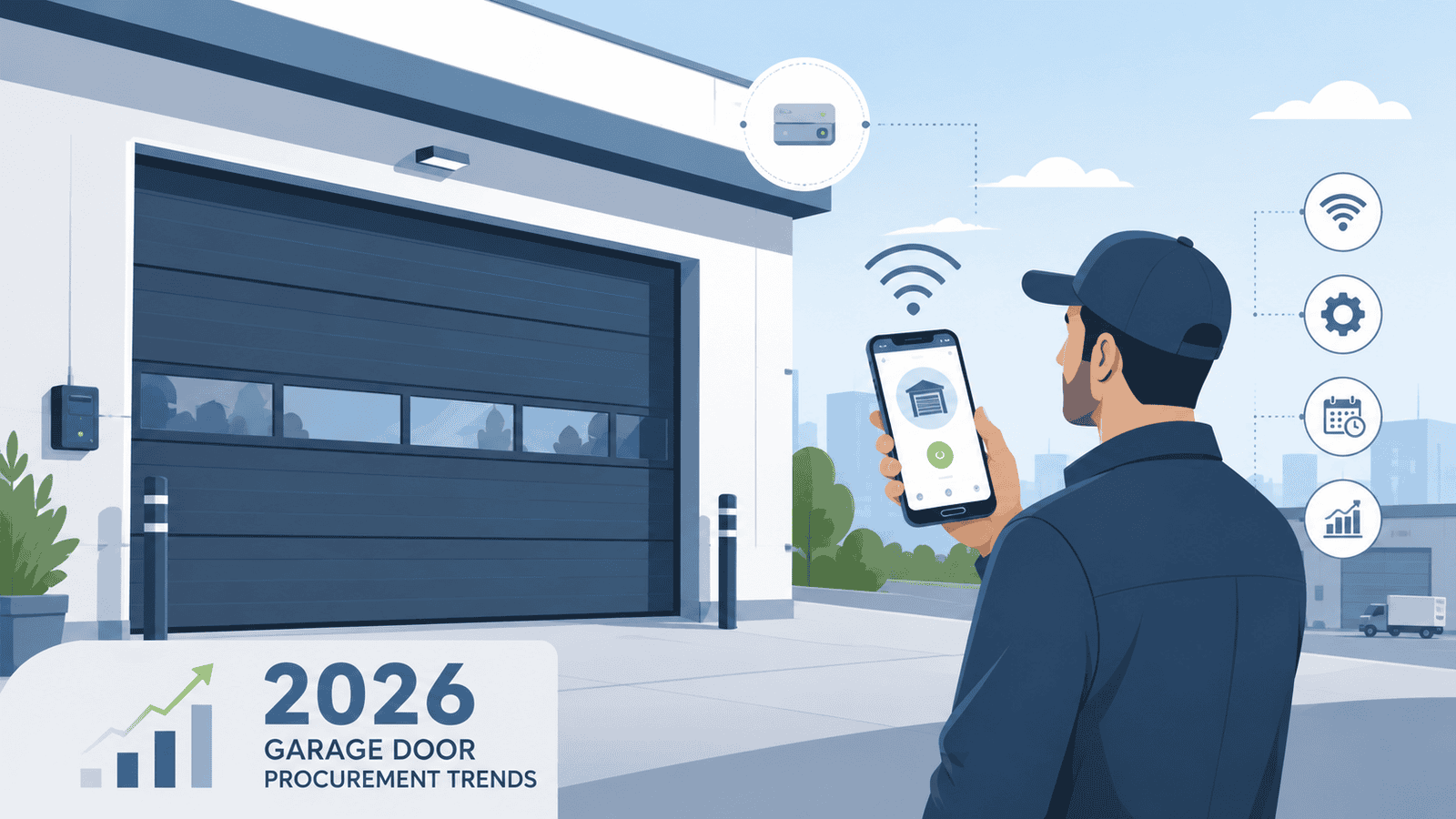
Perkembangan terkini dalam konektivitas kendaraan, kepatuhan produk di Amerika Serikat, dan operasi gudang mengubah cara pembeli mengevaluasi sistem pintu garasi dan industri. Tiga tren pengadaan pintu garasi menonjol pada tahun 2026. Kompatibilitas perangkat lunak, data sertifikasi, arus lalu lintas, perangkat keselamatan, dan persyaratan layanan jangka panjang kini menjadi bagian dari spesifikasi yang sama dengan pintu dan operatornya.
Bagi distributor, kontraktor, pengembang, dan operator logistik, ringkasan pembelian kini melampaui ukuran bukaan. Sebuah pintu harus sesuai dengan sistem bangunan dan proses operasi di sekitarnya.
Poin-Poin Penting
- Akses garasi yang terhubung beralih dari aplikasi seluler mandiri ke antarmuka kendaraan, meningkatkan ekspektasi terhadap kompatibilitas, keamanan, dan pemantauan status yang andal.
- Persyaratan eFiling CPSC AS menjadikan data sertifikat dan koordinasi importir lebih penting untuk produk yang diatur seperti operator pintu garasi perumahan otomatis.
- Di gudang dan fasilitas inspeksi bea cukai, ketersediaan dock-door semakin diperlakukan sebagai kendala throughput, bukan sekadar fitur bangunan dasar.
1. Akses Terhubung Menjadi Bagian dari Pengalaman Berkendara
Pada 8 Juli 2026, Hyundai Motor America dan Chamberlain Group mengumumkan bahwa teknologi myQ Connected Garage akan tersedia di kendaraan Hyundai yang kompatibel. Integrasi ini memungkinkan pengemudi memantau dan mengoperasikan pintu garasi yang kompatibel dari layar sentuh kendaraan. Tergantung pada kendaraan dan konfigurasi layanan, fungsi dapat mencakup geofencing, perintah buka-atau-tutup, pengingat, mode valet, dan kontrol beberapa lokasi garasi.
Perkembangan ini penting melampaui kemitraan otomotif tunggal. Ini menunjukkan bahwa pembuka pintu garasi pintar menjadi bagian dari ekosistem akses terhubung yang lebih luas. Pembeli mungkin tidak lagi menilai pembuka hanya berdasarkan tenaga motor, panjang rel, jangkauan kendali jarak jauh, atau kebisingan. Mereka juga cenderung bertanya bagaimana sistem menangani izin pengguna, umpan balik status, kehilangan konektivitas, keamanan akun, dan dukungan perangkat lunak di masa depan.
Bagi dealer, ini mengubah percakapan penawaran harga. Paket kontrol pintar yang berguna harus mengidentifikasi apa yang termasuk, fungsi mana yang bergantung pada platform pihak ketiga, dan apa yang terjadi ketika layanan internet atau seluler tidak tersedia.
Pintu harus tetap seimbang dengan benar, dilengkapi dengan perangkat keselamatan yang sesuai, dan mampu dibuka secara manual. Fitur terhubung meningkatkan kenyamanan, tetapi tidak menggantikan desain mekanis yang baik atau pemasangan yang aman.
Pembeli yang membandingkan opsi terhubung juga dapat meninjau panduan SEPPES tentang pembuka pintu garasi pintar dan kontrol aplikasi.
2. eFiling CPSC Meningkatkan Standar Dokumentasi Impor
Sinyal kedua datang dari Amerika Serikat. Komisi Keamanan Produk Konsumen menyatakan bahwa, mulai 8 Juli 2026, importir sebagian besar produk konsumen yang diatur harus mengajukan data sertifikat secara elektronik ke Bea Cukai dan Perlindungan Perbatasan AS. Aturan sertifikat yang direvisi diatur dalam 16 CFR Bagian 1110.
Untuk sektor pintu garasi, ruang lingkup perlu dijelaskan dengan hati-hati. CPSC mendaftarkan operator pintu garasi perumahan otomatis di bawah standar keselamatan wajib dalam 16 CFR Bagian 1211. Operator ini memerlukan Sertifikat Kesesuaian Umum, dan proses eFiling baru memengaruhi importir yang membawa produk tercakup ke Amerika Serikat.
Ini tidak berarti bahwa setiap pintu industri atau setiap pintu garasi non-bertenaga diatur berdasarkan Bagian 1211.
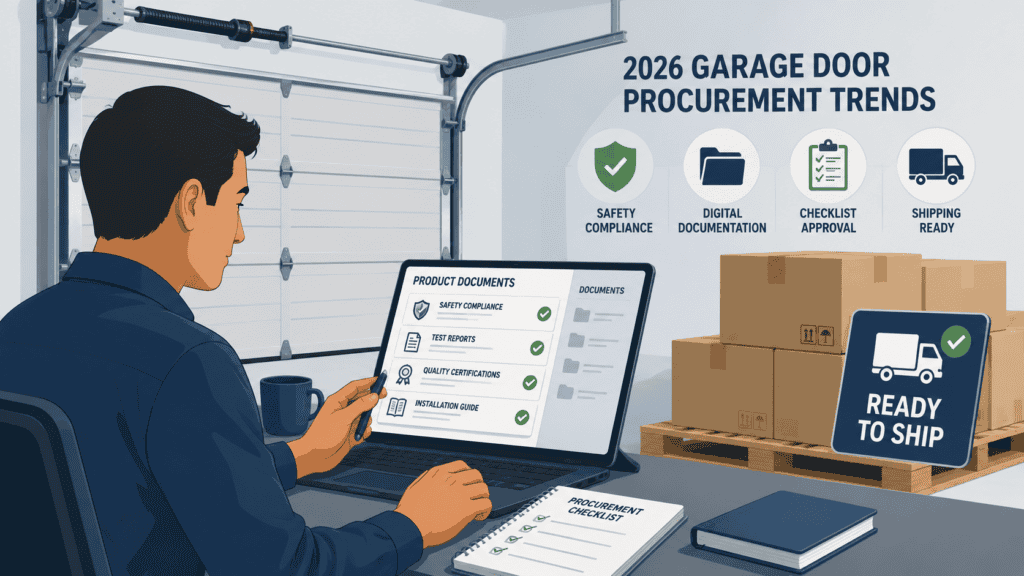
Efek komersialnya masih signifikan. Importir dan pembeli label pribadi memerlukan identifikasi produk yang akurat, kutipan aturan yang berlaku, informasi manufaktur, catatan pengujian, dan koordinasi dengan broker bea cukai sebelum masuk. Pengiriman tidak lagi dapat diperlakukan sebagai masalah pembelian terlebih dahulu dan masalah dokumentasi kemudian.
Bagi produsen luar negeri dan distributor AS, beberapa pertanyaan harus diselesaikan sebelum pesanan difinalisasi:
- Siapa importir tercatat dan siapa yang akan mengirimkan data sertifikat?
- Model produk, pabrik, dan catatan pengujian mana yang mendukung sertifikat?
- Apakah operator termasuk dalam 16 CFR Bagian 1211, dan persyaratan lain apa yang mungkin berlaku?
- Apakah nomor model dan deskripsi produk konsisten di seluruh faktur, sertifikat, label, dan data bea cukai?
- Bagaimana perubahan desain atau komponen akan tercermin dalam catatan pengujian dan sertifikasi?
Ini adalah masalah perencanaan kepatuhan, bukan sekadar tugas dokumen. Importir harus mengonfirmasi persyaratan akhir dengan CPSC, penyedia pengujian mereka, dan penasihat bea cukai atau kepatuhan yang berkualifikasi.
Panduan keselamatan dan standar pintu garasi SEPPES’ menyediakan daftar periksa proyek yang lebih luas, tetapi tidak boleh diperlakukan sebagai nasihat hukum. 3. Pintu Dermaga Diukur sebagai Kapasitas Operasi.
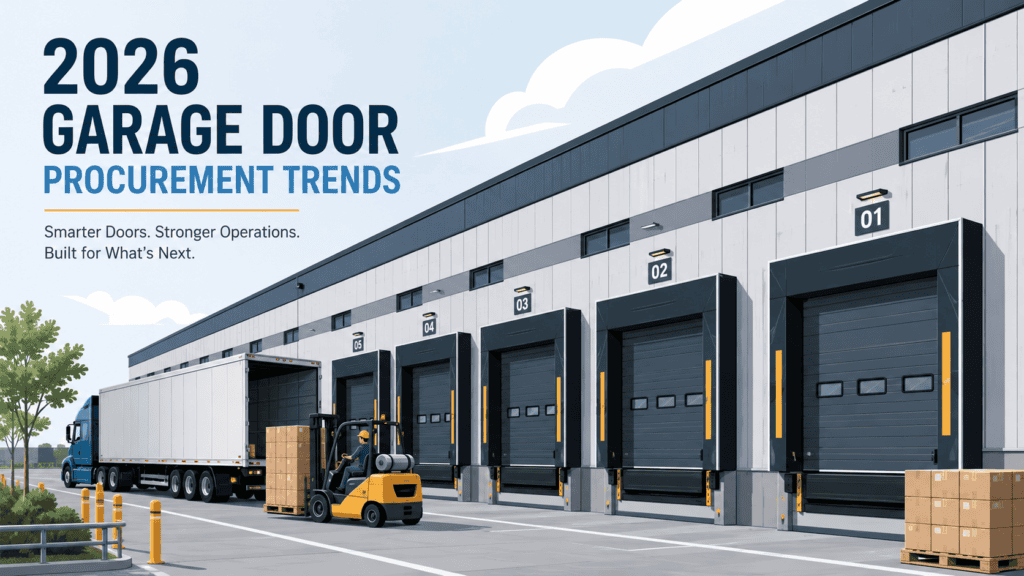
Tren ketiga paling terlihat di fasilitas logistik. Evans Distribution Systems melaporkan pada 8 Juli bahwa stasiun angkutan peti kemas Melvindale-nya mendukung inspeksi Bea Cukai dan Perlindungan Perbatasan AS dengan ruang terikat seluas 51.200 kaki persegi dan 21 pintu dermaga khusus. Fasilitas ini juga menyoroti tinggi bersih, keamanan, dan visibilitas pengiriman sebagai fitur operasi.
Pentingnya jumlah pintu mudah dilewatkan. Sebuah gudang dapat memiliki luas lantai yang memadai namun masih mengalami penundaan jika terlalu sedikit posisi dermaga yang tersedia, jika siklus pintu terlalu lambat, atau jika pengaturan dan pergerakan kendaraan tidak terkoordinasi dengan baik.
Komentar perencanaan gudang baru-baru ini menggambarkan ketersediaan pintu dermaga sebagai salah satu kendala pertama yang harus diperiksa sebelum musim puncak. Setiap janji masuk tergantung pada bukaan yang dapat digunakan, tenaga kerja yang tersedia, dan ruang pengaturan yang jelas pada waktu yang sama.
Ini mengubah cara sistem pintu industri dan pintu dermaga bongkar muat harus dispesifikasikan. Pertanyaan yang relevan meliputi:.
Berapa banyak siklus bukaan yang akan diselesaikan setiap posisi selama shift normal dan puncak?
- Apakah kecepatan pintu sesuai dengan lalu lintas forklift, palet, personel, dan kendaraan?
- Apakah leveler dermaga, penahan kendaraan, pelindung, kontrol, dan perangkat peringatan dikoordinasikan dengan urutan pintu?
- Apakah pemisahan termal diperlukan antara dermaga, gudang, ruang dingin, atau area produksi ber-AC?
- Dapatkah sistem diperiksa dan diservis tanpa menciptakan kemacetan yang tidak dapat diterima?
- Untuk rute internal lalu lintas tinggi, pintu berkecepatan tinggi dapat mengurangi waktu tunggu dan membantu mengontrol pertukaran udara. Di posisi bongkar muat eksterior, solusi sectional berinsulasi atau rolling mungkin lebih tepat, tergantung pada ukuran bukaan, paparan angin, keamanan, ruang kepala, dan permintaan siklus.
Jawaban yang tepat berasal dari profil operasi, bukan dari label produk tunggal.
Apa yang Harus Ditambahkan Pembeli B2B ke dalam RFQ.
Tren pengadaan pintu garasi ini menunjukkan proses permintaan penawaran yang lebih lengkap. Selain lebar, tinggi, kuantitas, dan tujuan, pembeli harus memberikan informasi berikut:
Aplikasi dan lalu lintas:
- Garasi perumahan, dealer, gudang, bengkel, area bongkar muat, ruang dingin, atau penggunaan lain; perkiraan siklus per hari; dan jenis kendaraan atau orang yang melintas. Kondisi lokasi:.
- Ruang kepala, ruang samping, kedalaman ruang belakang, suhu dalam dan luar ruangan, paparan angin, pasokan daya yang tersedia, dan persyaratan finishing arsitektural. Fungsi kontrol dan keselamatan:.
- Stasiun dinding, remote, keypad, kontrol aplikasi, integrasi kendaraan, sensor fotolistrik, tepi pengaman, penghentian darurat, pelepasan manual, dan izin akses. Tujuan kepatuhan:.
- Negara tujuan, tanggung jawab importir, sertifikat yang diminta, pelabelan, voltase, jenis steker, dan dokumentasi pengujian. Rencana layanan:.
- Komponen aus, interval inspeksi, suku cadang lokal, pelaporan kesalahan, dan bagaimana pemeliharaan akan dilakukan tanpa mengganggu fasilitas. Informasi ini membantu pemasok merekomendasikan konfigurasi daripada menawarkan produk yang tidak lengkap. Ini juga memberikan dealer dan kontraktor dasar yang lebih jelas untuk membandingkan penawaran yang mungkin tampak serupa dalam hal harga.
Apa Arti Tren bagi Pelanggan Garasi SEPPES.
SEPPES Garage bekerja sama dengan pembeli luar negeri yang membutuhkan konfigurasi pintu berdasarkan kondisi proyek aktual. Untuk bukaan perumahan berinsulasi dan komersial ringan,
pintu garasi sectional baja berinsulasi SEPPES menyediakan titik awal yang praktis untuk mendiskusikan konstruksi panel, rel, perangkat keras, penyegelan, dan pencocokan pembuka. Perkembangan pasar terbaru memperkuat nilai mengumpulkan data proyek lengkap sebelum penawaran harga. Ekspektasi kontrol pintar harus disesuaikan dengan konektivitas lokal dan kebutuhan pengguna. Paket pembuka yang ditujukan ke AS memerlukan tinjauan kepatuhan yang jelas. Gudang dan pengembangan serba guna perlu mendefinisikan persyaratan siklus, lalu lintas, keselamatan, dan pemeliharaan sebelum jenis pintu dipilih.
Spesifikasi terkuat bukanlah yang memiliki daftar fitur terpanjang. Spesifikasi tersebut adalah yang menghubungkan pintu, operator, kontrol, dokumentasi, dan alur kerja lokasi dengan cara yang dapat dipasang, digunakan, dan dirawat dengan andal.
Sumber dan Bacaan Lebih Lanjut.
Pertanyaan yang Sering Diajukan
Apa tren utama dalam pengadaan pintu garasi pada tahun 2026?
Tren yang paling relevan adalah integrasi akses pintar yang lebih mendalam, persyaratan data impor dan sertifikasi yang lebih ketat, serta perhatian yang lebih besar terhadap kapasitas lalu lintas pintu di gudang dan fasilitas logistik. Pembeli mengevaluasi sistem pembukaan secara keseluruhan, bukan hanya panel atau motor.
Apakah CPSC eFiling berlaku untuk setiap pintu garasi?
Tidak. CPSC secara khusus mencantumkan operator pintu garasi perumahan otomatis dalam 16 CFR Bagian 1211. Penerapannya tergantung pada produk dan skenario impor. Importir harus memverifikasi kewajiban mereka secara langsung dengan CPSC dan penasihat kepatuhan yang berkualifikasi.
Apa yang harus dikonfirmasi oleh pembeli untuk pembuka pintu garasi pintar?
Konfirmasi kompatibilitas pintu dan motor, tegangan, panjang rel, sensor keselamatan, pelepasan manual, izin pengguna, pemantauan status, persyaratan jaringan, ketergantungan layanan pihak ketiga, serta fungsi yang tersedia saat konektivitas terputus.
Mengapa pintu dermaga penting dalam perencanaan kapasitas gudang?
Setiap posisi dermaga memiliki jumlah siklus janji temu dan operasi yang terbatas. Kecepatan pintu, ruang penyanggaan, ketersediaan tenaga kerja, penjadwalan kendaraan, sistem keselamatan, dan waktu henti pemeliharaan semuanya dapat membatasi kapasitas keluaran meskipun gudang memiliki area penyimpanan yang cukup.
Hyundai Motor America dan Chamberlain Group Menghadirkan Teknologi myQ Connected Garage ke Kendaraan Hyundai
- , Hyundai Motor America, 8 Juli 2026., Pembaruan: Sertifikat Kesesuaian dan eFiling.
- , Komisi Keamanan Produk Konsumen AS, diakses 10 Juli 2026., Operator Pintu Garasi Perumahan Otomatis.
- Automatic Residential Garage Door Operators, Operator Pintu Garasi Perumahan Otomatis.
- Sertifikat Kepatuhan, 16 CFR Bagian 1110, Federal Register, 8 Januari 2025; tanggal keberlakuan 8 Juli 2026 untuk sebagian besar produk yang tercakup.
- Evans Distribution Systems Menyederhanakan Proses Inspeksi Kontainer USCBP, Evans Distribution Systems, 8 Juli 2026.
- Perencanaan Kapasitas Gudang Musim Puncak: Matematika Q4 yang Benar-Benar Berfungsi, FENGYE Logistics, 30 Mei 2026.