Dock Leveler Safety and Warehouse Loading Workflow
A loading dock leveler connects the warehouse dock with a truck bed as part of a coordinated loading-bay arrangement. The equipment must be selected for the vehicles, handling equipment, loads and operating conditions at that location. Safe use also depends on the supplied procedures, vehicle control, operator training and maintenance.
Review the complete loading position before comparing equipment. The door, leveler, vehicle-control method, shelter and communication between the driver and warehouse team should form a clear operating plan.
The following points help a buyer and facility team organize the specification and handover. They are selection and planning questions; the supplied model-specific manual governs operation and maintenance.
Match the Rated Load to the Traffic
Start with the vehicle and handling-equipment information when selecting a hydraulic dock leveler. Confirm the load rating and the conditions it covers on the project specification. The supplier needs to understand the handling equipment, carried load and operating pattern; reinforcing an existing unit is not a substitute for an approved equipment rating.

Coordinate Vehicle and Bay Controls
A leveler and a vehicle restraint perform different functions. Confirm the vehicle-control method and communication procedure for the site, and review the intended sequence for the door and dock equipment. Ask the supplier to identify the included protective features and required checks. No single component should be described as a guarantee against every loading-bay incident.

Check Vehicle Height and Lip Engagement
Check the range of truck-bed heights, dock height, platform arrangement and the lip engagement required by the supplied instructions. Vehicle and equipment dimensions must be reviewed together. Use the product-size and pit-size guide to distinguish the platform from the civil installation details.
Plan Inspection and Maintenance Access
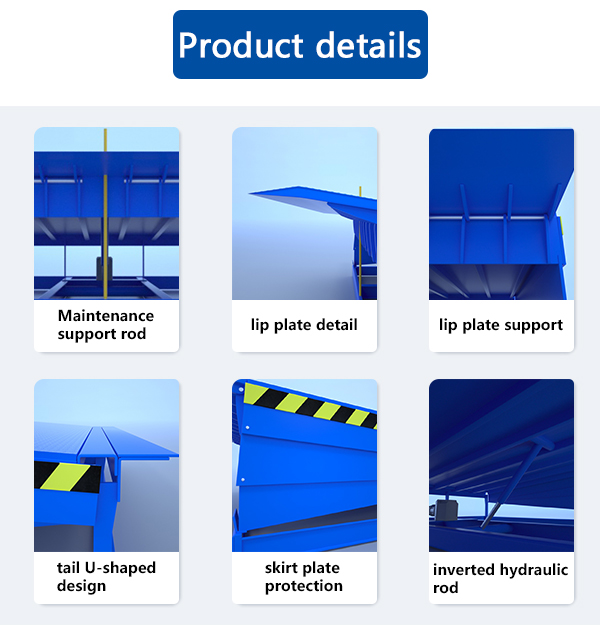
Plan inspection access and a maintenance schedule appropriate to the supplied equipment and site conditions. Qualified personnel must follow the isolation and support arrangements specified for maintenance. Do not work beneath an unsupported platform. OSHA’s hazardous-energy overview explains the general risks of unexpected movement and stored energy during servicing.

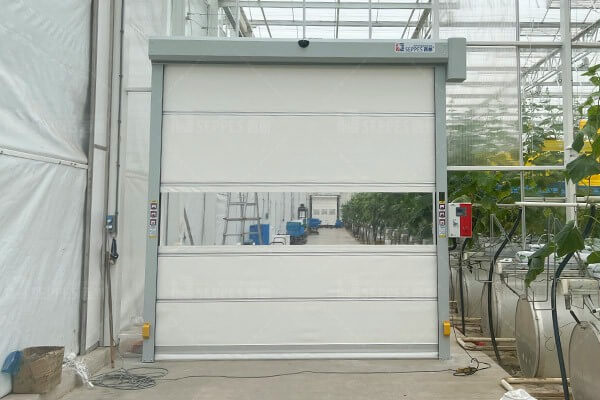
For an equipment review, send SEPPES the vehicle range, load information and site layout. Coordinate the industrial sectional door at the same opening with the platform, shelter and operating procedure.
Related posts

Dock Leveler Sizing Guide: Distinguishing Between Product Size and Mounting Pit Size
Dock Leveler Sizing Guide: Distinguishing Between Product Size and Mounting Pit Size Efficient and safe loading and unloa …
Read more
Inflatable Dock Shelter: An Innovative Solution to Improve Logistics Efficiency
The Inflatable Dock Shelter is an innovative logistics device designed to improve efficiency and safety during cargo han …
Read more