Sectional Garage Door Installation Planning Guide
A successful sectional garage door installation starts with the correct door specification, a checked opening and an agreed installation plan. This guide helps owners, contractors and project buyers prepare for the work and review the handover. The supplied manual and approved drawing for the exact door take priority over this general overview.
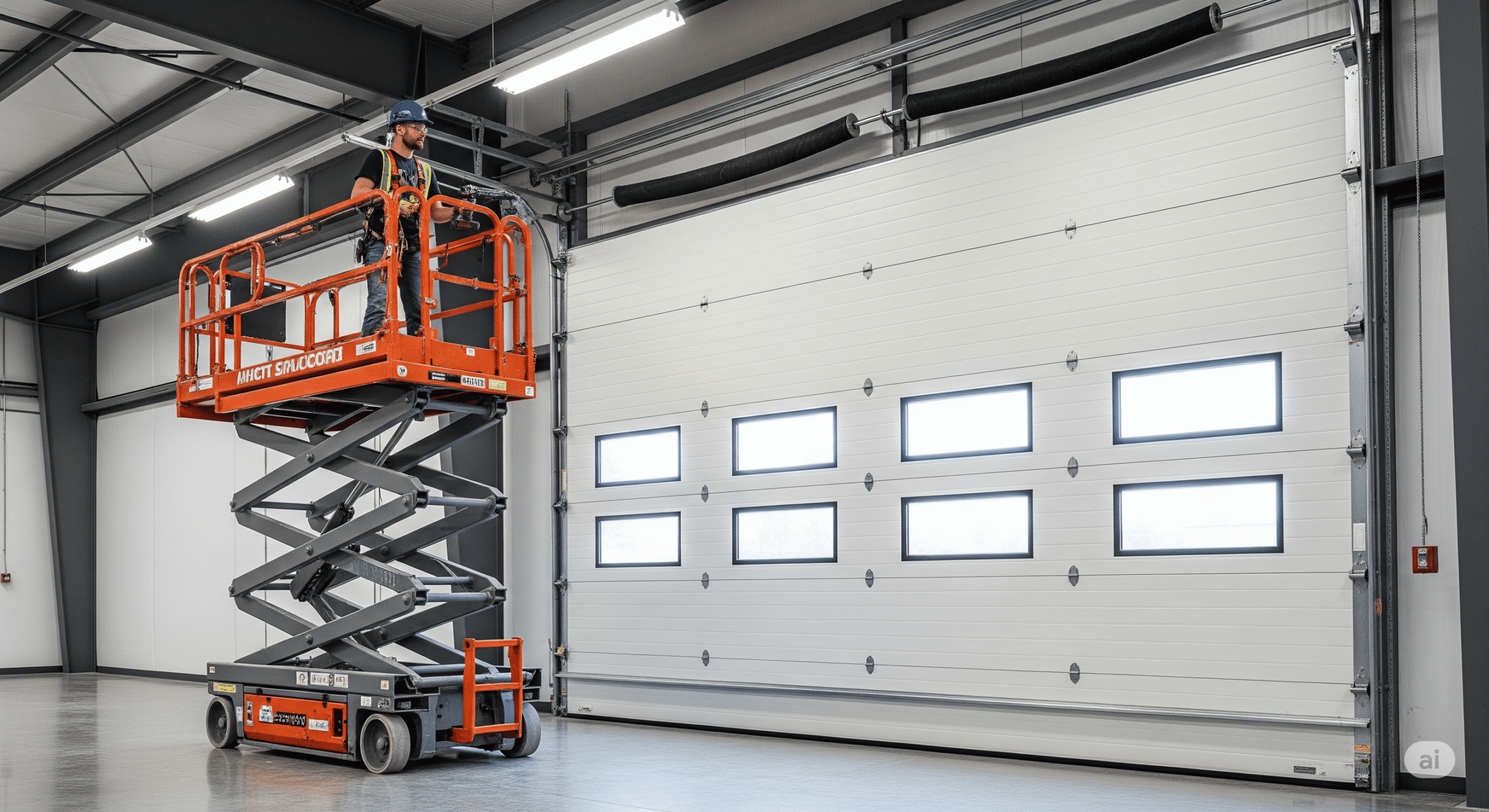
Have a suitably trained installation team handle assembly, counterbalance work, powered operation and commissioning. Springs, cables and loaded brackets store or carry forces that require the proper procedure. This page does not provide spring-winding instructions or universal fixing and adjustment values.
Understand the Door Configuration
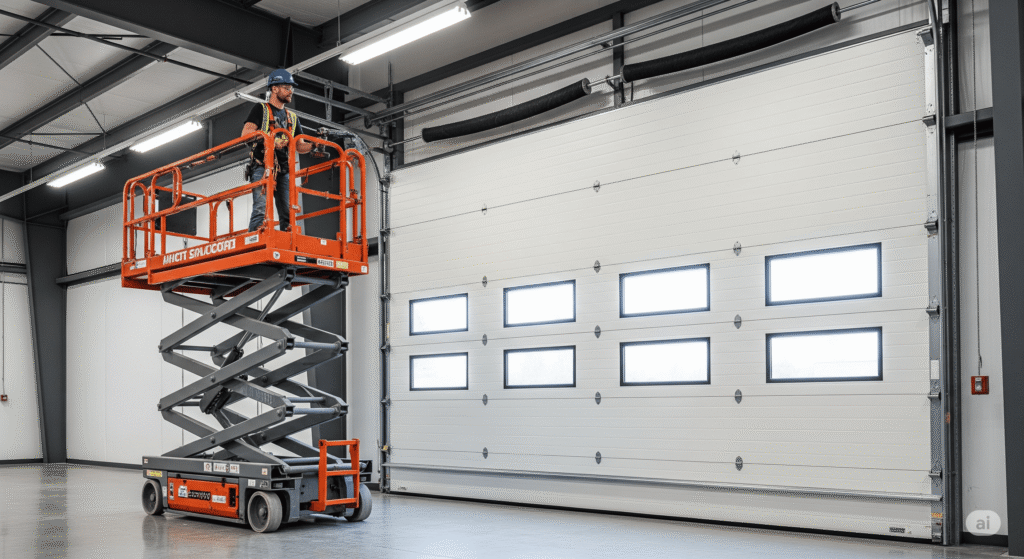
A sectional door uses connected panels guided by tracks. The tracks, rollers, hinges, counterbalance system and any opener must be specified as a compatible assembly. Manual and powered doors, different spring arrangements and restricted-space hardware can require different installation procedures.
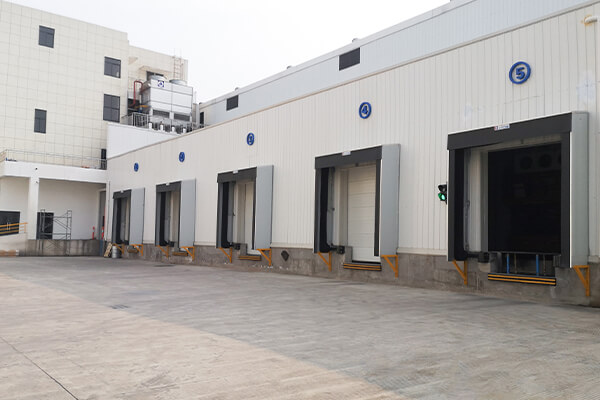
Residential garages and industrial buildings should not be specified from appearance alone. Larger openings, operating frequency, building structure, access controls and site procedures can change the requirements. For a warehouse or factory project, review the industrial sectional door configuration with the available headroom and roof structure.
Measure and Document the Site
- Clear opening width and height, including any unevenness that needs correction.
- Headroom, side room and depth available for the tracks, supports and opener.
- Wall, lintel and ceiling construction, with obstructions and supporting members identified.
- Floor condition, drainage and the intended position of perimeter seals.
- Electrical supply, cable route and controls for a powered system.
- Vehicle access, pedestrian routes and access for the installation equipment.
Take clear photos from inside and outside the opening. The supplier and installer should confirm the measurements and clearances against the project drawing; there is no single headroom allowance or fixing schedule suitable for every sectional door.
Agree the Scope Before Delivery
The quotation should identify who supplies the door and opener, prepares the structure, provides access equipment, completes electrical work, removes an existing door and carries out commissioning. Confirm the installation sequence with other building trades and arrange a controlled work area.
Obtain the door model identification, assembly drawing, installation instructions and operating manual before work begins. Manuals for another brand or hardware family should not be treated as interchangeable instructions.
Check the Delivered Components
The installation team should compare the delivered panels, tracks, hardware, counterbalance parts, seals, controls and accessories with the packing list and approved configuration. Record damage, missing items and discrepancies before assembly. Keep component labels and the door identification available for support.

Installation Workflow for a Qualified Team
Site Readiness and Structure
Confirm that the prepared opening, supports and access arrangements match the drawing. Resolve unsuitable structure, obstructions or a conflicting track route before the door is installed.
Panels, Tracks and Supporting Hardware
The team assembles and supports the panels and track system in the sequence specified by the manufacturer. Track alignment, fixings, support locations and tightening requirements must come from the selected system and approved structural details.
Counterbalance and Drive System
Counterbalance setup, cables, loaded brackets and opener installation are technical work. They must be completed with the correct equipment and the model-specific instructions. An owner should not adjust spring tension or cable alignment in response to a door that sticks or moves unevenly.
Seals, Controls and Protective Devices
The installer checks the supplied seals and configures the operator, controls and protective devices where fitted. Electrical work and commissioning must meet the applicable local and site requirements. Confirm the intended emergency release and recovery arrangements for this configuration.
Commissioning and Handover
The qualified team carries out the prescribed tests and records the results before authorizing normal use. The owner should receive a demonstration of the controls, release arrangement, protective-device checks and fault-reporting process.
Handover Checklist
- The installed door and hardware match the accepted specification and drawing.
- The required commissioning and protective-device checks are recorded.
- Controls and any release mechanism are identified and demonstrated.
- Operating and maintenance instructions are provided for the actual configuration.
- The owner knows which observations are routine and which require a technician.
- The service contact, warranty information and equipment identification are retained.
Common Problems to Report
Uneven travel, damaged panels, frayed cables, loose-looking supports, repeated faults or a failed protective-device check require assessment. Keep people clear of the affected opening and use the site’s process for taking equipment out of service when safe operation is in doubt. Do not compensate for a mechanical problem by increasing opener force or bypassing a protective device.
Cleaning and visual observations should follow the supplied instructions. Lubrication points, products and inspection intervals depend on the components and operating conditions. Do not apply a universal schedule or lubricant to every roller, track and drive part.
Frequently Asked Questions
Can I Install a Sectional Door Myself?
Use a suitably trained installation team for the door and hardware supplied. Counterbalance, cable and loaded-bracket work can release stored forces. Clopay’s garage-door safety checklist explains these general hazards; the actual installation must follow the manual for your own door system.
How Much Headroom Is Required?
The required space depends on the door size, track layout, counterbalance and opener. Send the opening dimensions and site photos to the supplier and obtain an approved layout instead of relying on a generic number.
How Long Will Installation Take and What Will It Cost?
Timing and cost depend on the opening, equipment, access, preparation work and installation scope. Ask the installer to separate delivery, structure, electrical work, assembly, commissioning and removal of existing equipment in the quotation.
Can Existing Tracks, Springs or an Opener Be Reused?
Have the supplier and installer assess compatibility and condition. A component that appears to fit is not proof that it is suitable for a different door assembly.
Where Can I Obtain the Correct Manual?
Use the manufacturer, model and serial identification to request the applicable manual, drawing and wiring information. For a SEPPES project, send the equipment details and site information to SEPPES.
Still selecting the door? The sectional garage door buying guide covers opening space, materials, insulation and quotation requirements.
Related posts
The Essential Guide to Industrial Sectional Doors
The Essential Guide to Industrial Sectional Doors Industrial sectional doors play a pivotal role in the functionality and …
Read more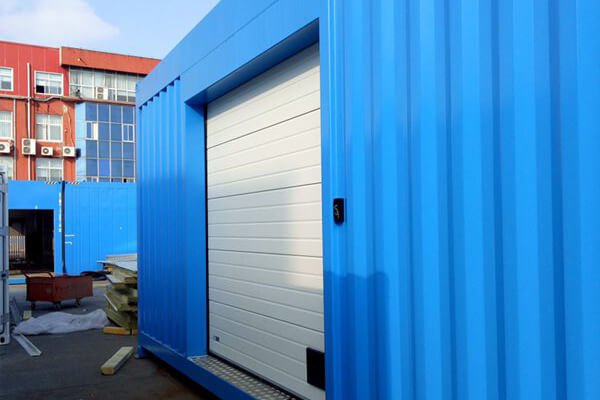
Insulated sectional doors that can be installed in containers
Insulated Sectional Doors for Container Openings View current industrial sectional door options for this application. Insu …
Read more