Using a Sectional Door Wicket: Access and Handover Checks
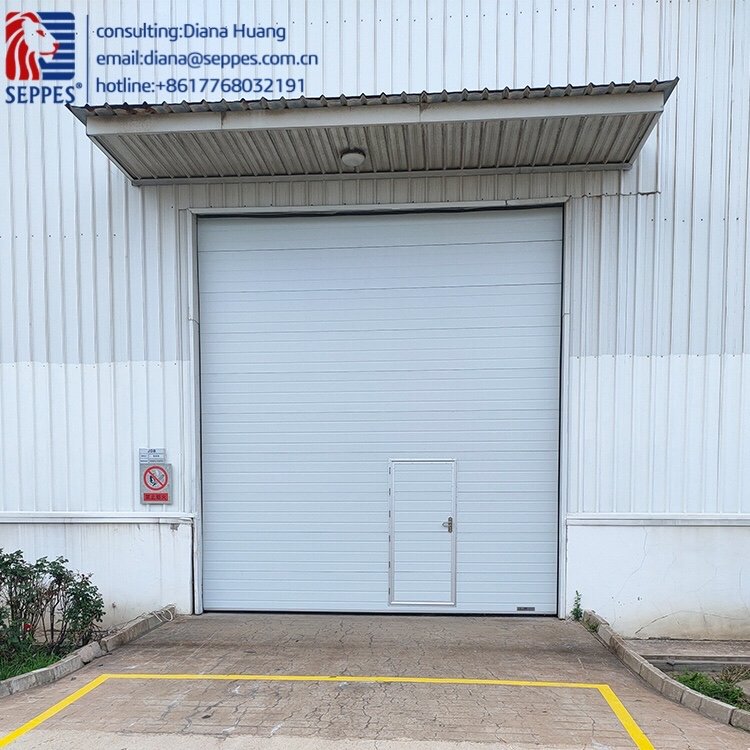
A small pedestrian door can make occasional access more convenient without lifting the entire sectional door. That convenience depends on using the wicket and the main door in the intended sequence and keeping the pedestrian route available.
If you are still choosing the arrangement, compare an integrated wicket with a separate personnel entrance. The industrial sectional door page covers the main equipment configuration.
Use the Wicket for Its Intended Access Role
Keep the clear opening and approach free of stored goods. Consider the threshold and the items being carried; a wicket intended for pedestrians should not be treated as an unrestricted route for handling equipment.
Follow the operating instructions for closing and securing the wicket before main-door movement. Where the configuration includes an interlock, its presence and functional check should be part of handover rather than assumed from the appearance of the door.
Confirm Main-Door Coordination at Handover
- Identification of the wicket, main door, operator and relevant controls.
- The approved operating sequence and interlock test procedure.
- Instructions for locks, closers and access-control devices.
- The response to a failed check or damaged component.
- Service contacts and the location of the supplied instructions.
Use only the documented test method with trained personnel. Do not defeat an interlock or force the main door to move when the wicket arrangement is not in its required state.
Separate Convenient Access from Repair Access
Being able to enter the building through a wicket does not make it safe to work on the main door mechanism. An open wicket is not a substitute for equipment isolation or an authorized maintenance procedure.
A fault in the main door also does not establish that the wicket remains suitable for use. Follow the site response procedure and obtain an assessment where damage affects the door leaf, access route or operating system.
Review the Route When Use Changes
Revisit the arrangement if the traffic mix, carried goods, floor levels or access-control requirements change. Designated emergency or accessible routes need their own approved requirements; a wicket is not automatically suitable for either purpose.
For a configuration or service enquiry, send SEPPES the door identification and clear photographs. Include the specific access or operating problem instead of relying on a generic wicket dimension.