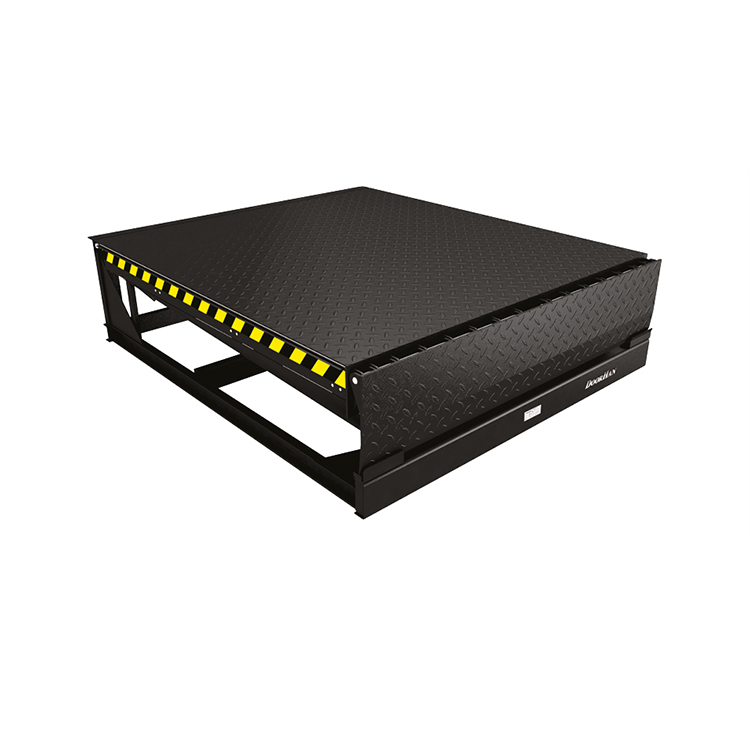
New Hydraulic Dock Leveler: Handover and Early-Use Checklist
A new hydraulic dock leveler should enter service through its documented installation, commissioning and handover process. There is no useful substitute in a generic car-style running-in analogy: any special first-use checks or service intervals must come from the supplied equipment instructions.
For the main equipment reference, see the SEPPES DL-220 hydraulic dock leveler. For the platform and lip functions, read the hydraulic leveler overview.

Keep the Handover Documents Together
- Equipment model, serial number and approved project specification.
- Installation and commissioning records for the delivered configuration.
- Operating instructions and the assigned operator-training record.
- Prescribed maintenance schedule and service contact.
- The loading-bay sequence and responsibilities shared with other equipment.
Resolve missing instructions or an incomplete handover with the responsible supplier or installation team before treating the bay as ready for routine use.
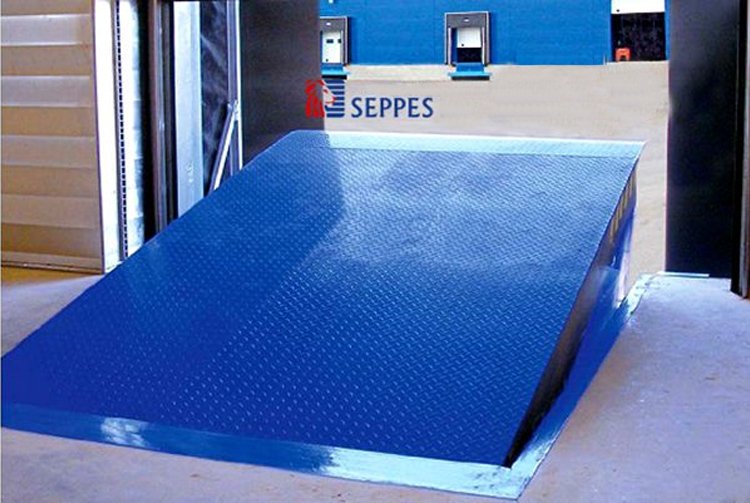
Observe the First Period of Normal Operation
Assigned operators can record how the equipment behaves during the permitted operating sequence. Note unusual noise, unexpected movement, visible damage, leaks or a response that differs from the training and supplied instructions.
Do not assume an abnormal sound will disappear after repeated cycles. Report the condition and follow the site response procedure, including taking affected equipment out of service where its operation is in doubt.
Do Not Improvise Adjustment or Lubrication
Lubricant, application points, inspection intervals and hydraulic servicing depend on the components and equipment instructions. Adding unspecified oil or grease is not a general first-use remedy.
Inspection or repair beneath a platform or around its mechanism requires the specified isolation and support arrangements and appropriate personnel. An operator observation checklist does not authorize that work.
Record Symptoms So the Service Team Can Act
Report the equipment identification, date, operating stage, visible condition and any control indication. State whether the issue began at handover or after a change in vehicle, load, power or site conditions.
Clear observations and photographs are more useful than guessing that a new unit needs to wear in. Keep the assessment and return-to-service decision with the equipment record.
Confirm Project Details Before Later Changes
Changes to handling equipment, load, vehicles or the surrounding bay can change the requirements. Recheck the approved specification rather than assuming the original arrangement remains suitable.
Contact SEPPES with the equipment record for support. Use the platform and mounting-pit sizing guide for planning information, with final installation dimensions taken from the approved drawing.