Industrial Door & Loading Dock Projects
See how SEPPES approaches real opening conditions, equipment interfaces and installation constraints—from cleanroom passages to factory entrances and warehouse loading areas.

Clearances, mounting conditions and product selection.
Interlocking, activation and production-line signals.
Equipment packages and project-specific delivery scope.
Explore the engineering behind each opening.
Browse examples of product selection, custom installation and equipment coordination. Each project explains the application and the scope of SEPPES support.

Three-Door Interlocking for a Medical Device Cleanroom
Internal-motor high-speed doors were specified for a linked passage. The control arrangement coordinates door access so that one open door keeps the other two closed.

Reworking a Wide-Opening Plan for a Factory Corridor
The opening concept was revised around the corridor structure and exposure. Repeated site measurements helped define the final door dimensions and installation layout.
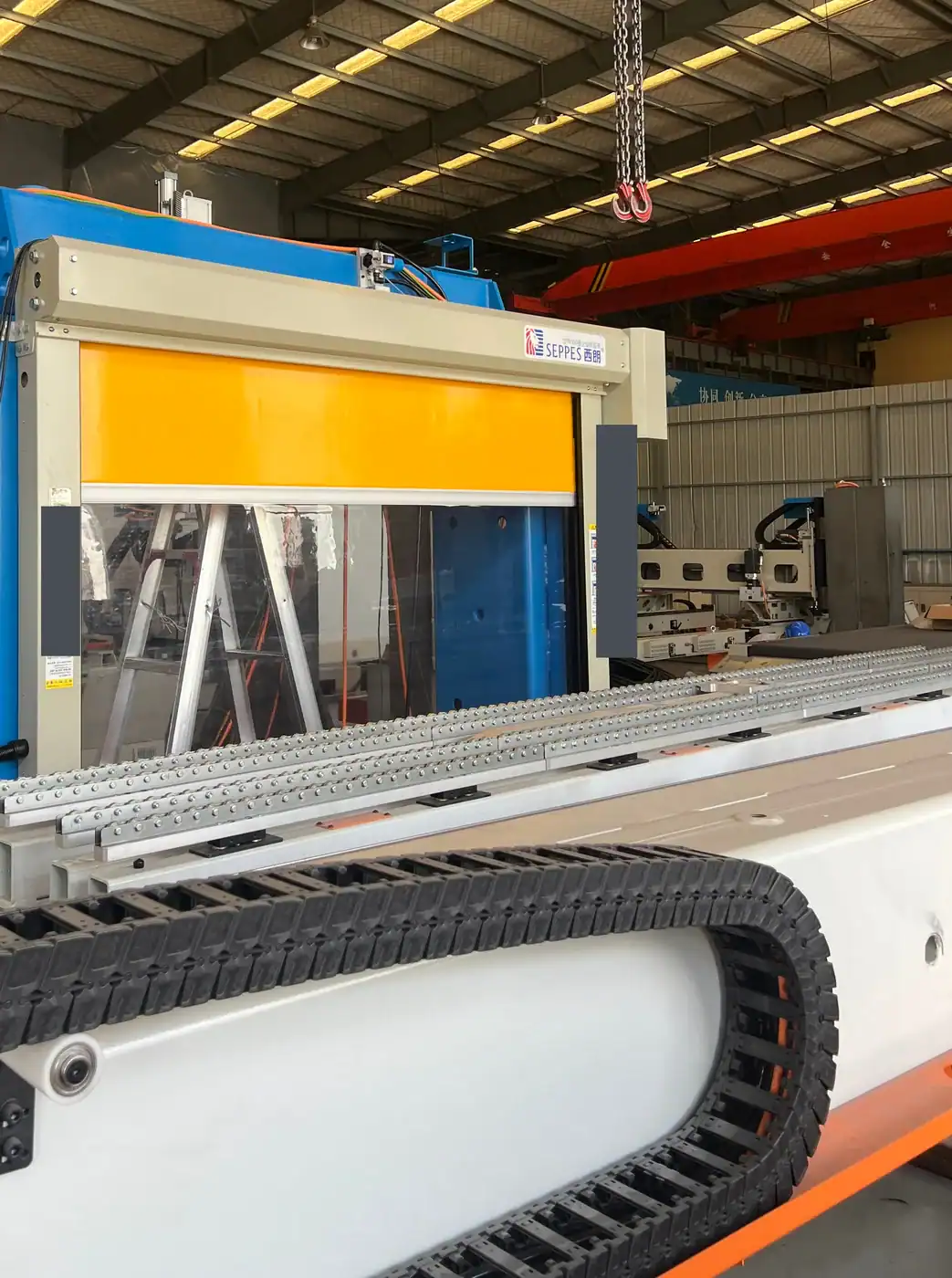
Equipment Doors for Automotive Production-Line Integration
Door layouts were coordinated with the machine frame and motor positions. Opening and closing commands, plus end-position feedback, were defined for the equipment integrator.
A Stainless-Steel Door Package for Seafood Processing
A stainless-steel frame and enclosure were combined with a self-repairing curtain, pull-cord activation and sealed wall-panel joints for an internal processing passage.
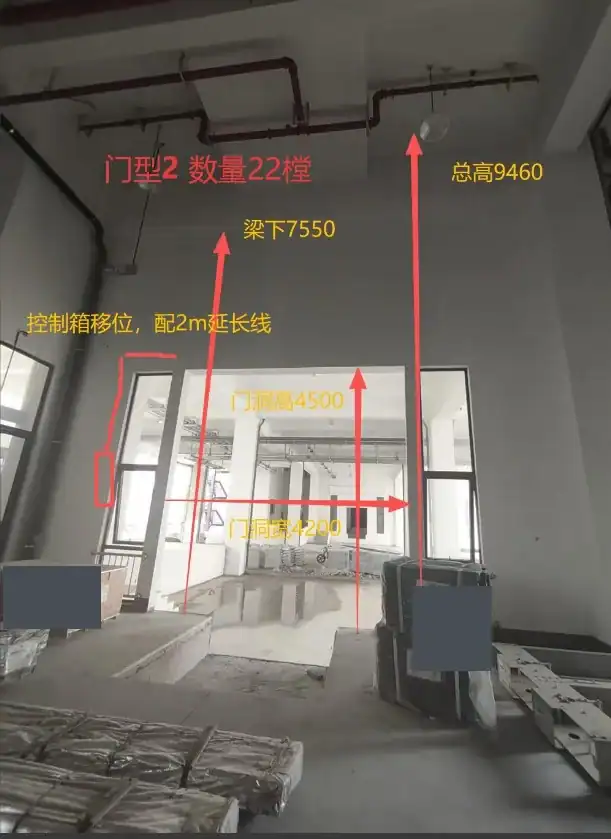
Sectional Door Layouts Around Warehouse Beams and Pipes
Different beam and pipe clearances called for opening-specific high-lift layouts. Track arrangements and clear opening heights were coordinated for the installing contractor.
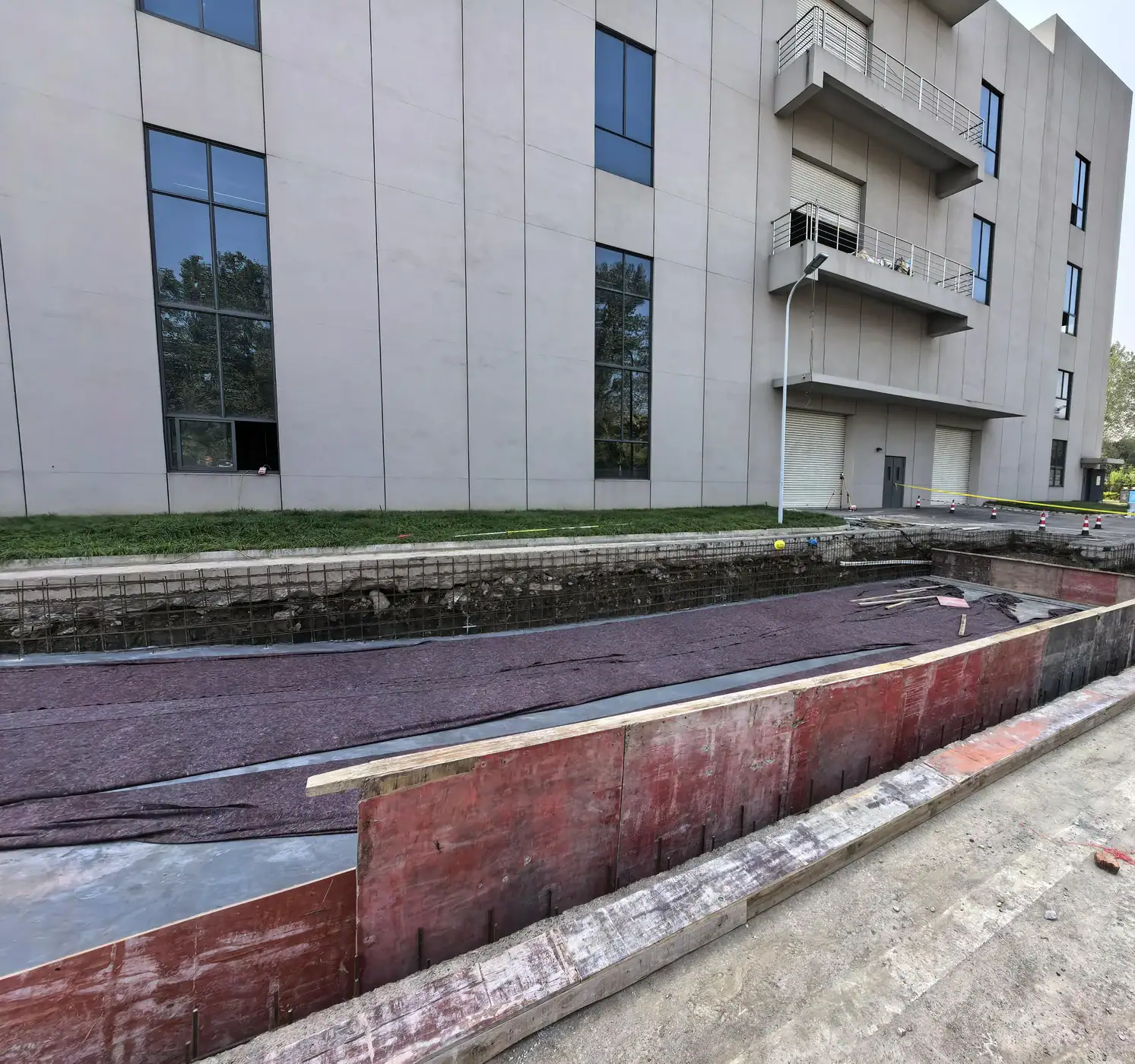
Coordinating Dock Levelers, Shelters and Civil Works
Pit-mounted hydraulic levelers and mechanical dock shelters were specified for warehouse loading positions, with pit interfaces and installation alignment coordinated with the site.
Start with the challenge at your opening.
Explore the design decisions that connect products, building conditions and operating requirements.
Automation & Interlocking
Door-to-door coordination, PLC signal requirements, access controls and vehicle activation. Define what the door must do and which system controls the sequence.
Read the Automation & Interlocking Guide →Custom Installation & Retrofit
Limited side space, overhead obstructions, mounting frames and existing openings. Review how the installation envelope influences the door layout.
Read the Installation & Retrofit Guide →Integrated Door & Dock Systems
Different entrances need different equipment. Coordinate door families, dock levelers, shelters and civil-work interfaces within the project scope.
Read the Door & Dock Systems Guide →Share a site photo and the main operating requirement with SEPPES.
Plan the product together with the installation.
A project recommendation needs to account for the opening, the operating environment and the teams responsible for the work.
Opening & Structure
Review clear opening dimensions, headroom, side clearance and fixing surfaces. Identify where a supporting frame or layout change may be needed.
Product & Materials
Match the door family, curtain or panel construction and enclosure materials to the passage, traffic pattern and environment.
Controls & Interfaces
Define activation methods, position feedback and required signal interfaces with the equipment integrator. Confirm the agreed control sequence before commissioning.
Delivery & Installation Scope
Coordinate drawings, site readiness and delivery stages. State which installation and commissioning tasks belong to SEPPES, the contractor or the equipment integrator.
Compare the conditions at your opening.
Start with the project that matches your application, then note the differences in traffic, clearances and environmental requirements.
Use the case configuration and linked engineering guides to prepare your own brief. Confirm installation and control responsibilities with the teams involved.
- Application and trafficCompare the users, vehicles or material movement at the opening.
- Opening and materialsReview usable clearance, mounting conditions and the operating environment.
- Control relationshipsIdentify the systems exchanging requests, permissions and status.
- Delivery responsibilityConfirm who supplies, installs, commissions and supports the package.
Find the right product family.
Use the project examples as a starting point, then compare the equipment options for your own opening.
Schnelllauftore
Explore curtain-door options for internal passages and equipment interfaces.
View High-Speed Doors →Sektionaltore
Review overhead door configurations and lifting arrangements for factory and warehouse openings.
View Sectional Doors →Dock Levelers
Compare loading-platform configurations alongside pit and vehicle requirements.
View Dock Levelers →Dock Shelters
Review shelter options together with vehicle dimensions and loading-bay geometry.
View Dock Shelters →From site information to an agreed scope.
Share the Opening
Send dimensions, site photos and the passage or loading task.
Review the Options
Discuss the product family, installation conditions and controls.
Confirm the Details
Agree on drawings, signal interfaces and each party's responsibilities.
Coordinate Delivery
Plan production, site readiness and the agreed handover requirements.
Before you send a project enquiry.
Can a door be adapted to limited headroom or side clearance?
The installation envelope should be checked before a door is selected. Share the opening width and height, overhead and side clearances, fixing surfaces and nearby obstructions. The review can then consider motor position, track layout and any supporting frame required.
Can doors connect to PLCs or interlocking controls?
Project-specific interfaces can be defined for opening and closing commands, position feedback or door-to-door coordination. Available signals, operating logic and testing responsibilities must be agreed with the equipment integrator. Providing an interface does not by itself verify a machine-safety function.
Are these projects in China or overseas?
The featured examples are based on projects supplied or coordinated in China. Some equipment packages are supplied to Chinese OEMs for overseas end use. Each case should be read according to its stated supply, installation and commissioning scope.
What information should I send for a project recommendation?
Start with your country, application, opening dimensions and site photos. Add the expected traffic or operating frequency, environmental conditions and any required control interfaces. For a loading dock, include vehicle details, dock height and available pit information.
Bring your site conditions into the conversation.
Share the opening, the operating requirement and any installation or control constraints. SEPPES can help review suitable door and dock equipment options for your project.
Helpful details to prepare
- Country, facility type and application
- Opening width, height and installation clearances
- Site photos or available drawings
- Traffic, environment and control requirements
- Project stage and expected schedule